JNCO Jeans: The Denim Tents That Swallowed a Generation
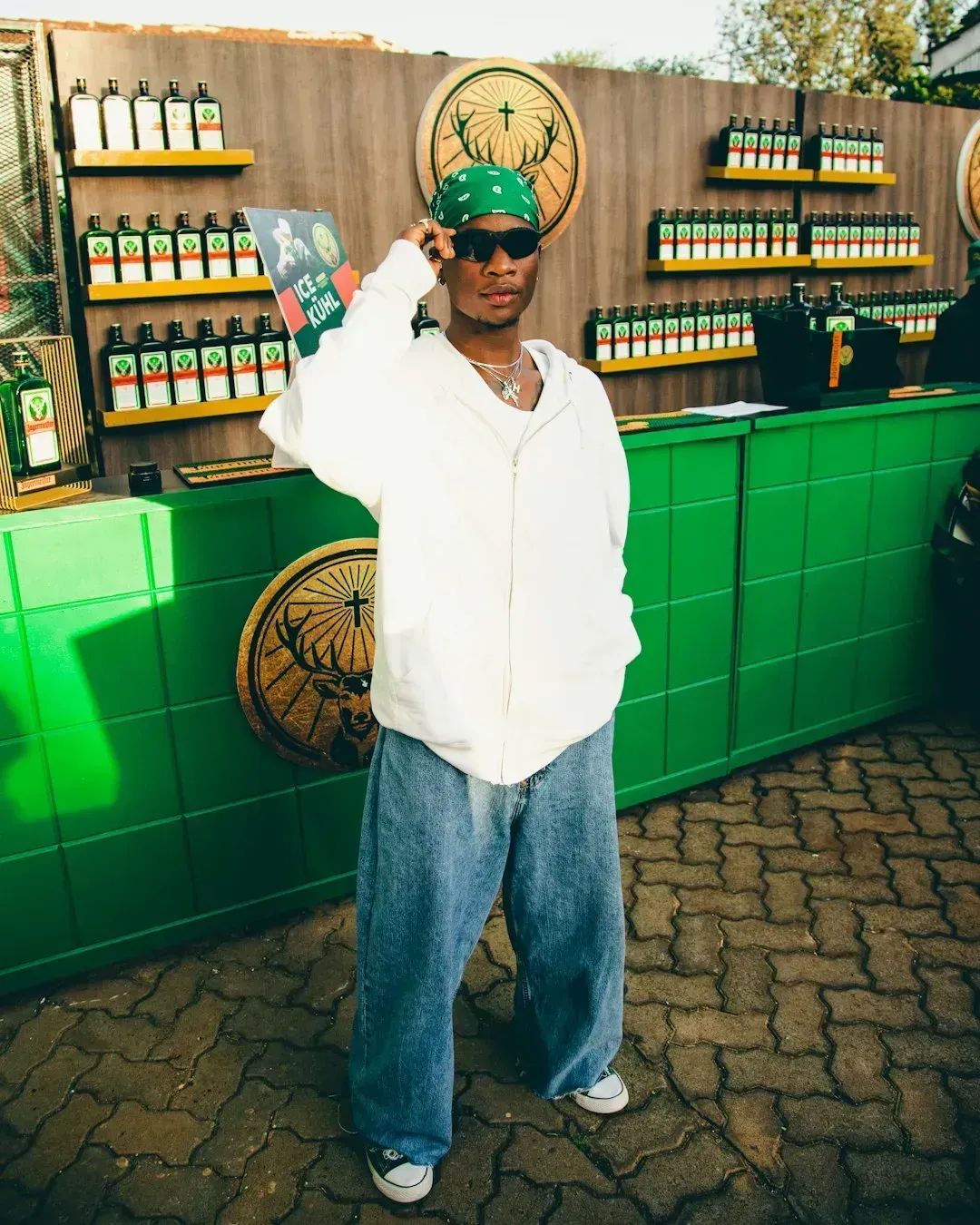
JNCO Jeans were the epitome of 90s baggy fashion, with their ridiculously wide legs becoming a staple for many teenagers and young adults. Originally embraced by both skaters and ravers alike, the larger-than-life design often included elaborate embroidery or logos on the back pockets, making them a statement piece.
The baggy jean phenomenon reached its absolute peak with JNCO brand jeans, whose leg openings expanded to truly ridiculous proportions. These weren’t just loose-fitting pants; they were denim tents that could accommodate entire pizza boxes in their pockets, with some styles featuring leg openings exceeding 20 inches and completely obscuring shoes. Though they offered little in terms of practicality, the sheer volume of denim made them unforgettable. Today, JNCO Jeans serve as a humorous reminder of a time when bigger truly was better.
Frosted Tips: The Hair Trend That Looked Like a Salon Accident
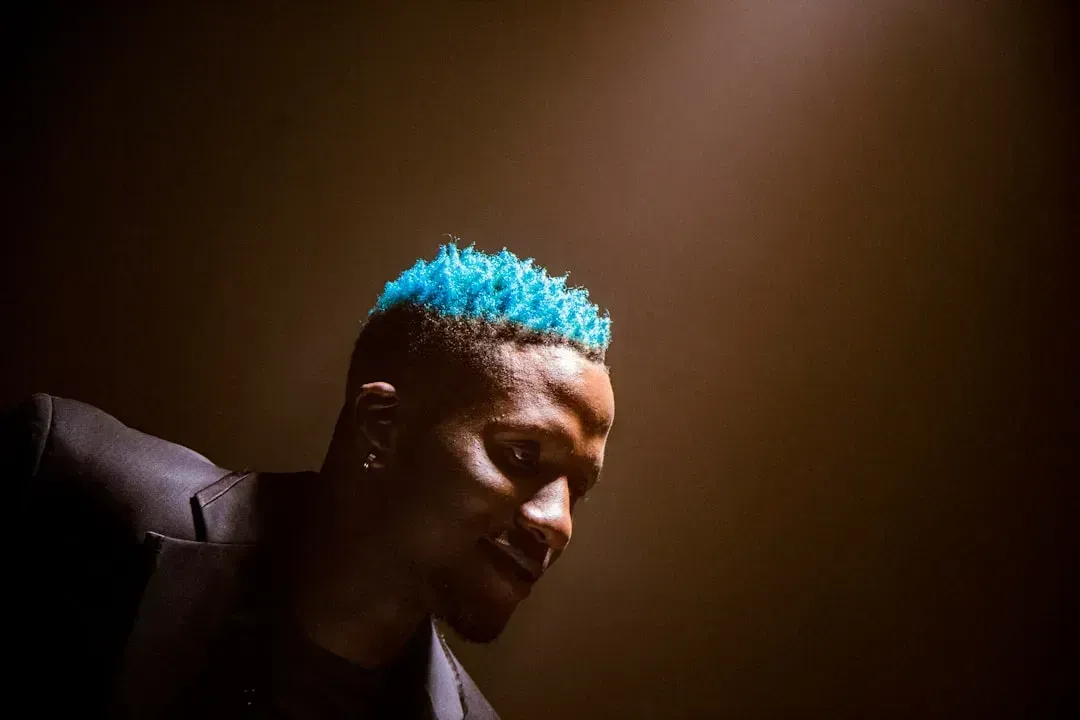
Frosted tips were a hair trend that swept through the 90s, leaving a trail of bleach and hair gel in its wake. This style involved dyeing the tips of the hair a lighter shade, often blonde, to create a striking contrast, and was popularized by boy bands and celebrities. Mark McGrath was far from the only man in the 1990s to rock frosted tips. Most members of NSYNC jumped on the craze, as did celebrity chef Guy Fieri. Spiked up, half-blonde hair was low maintenance but high impact – and very ’90s.
Looking back, the aesthetic bore a striking resemblance to uncooked ramen noodles sprouting from scalps across America. The harsh contrast between dark roots and aggressively blonde tips created an unnatural effect, and the heavy gel required to maintain the spiky texture left hair looking crunchy and artificial. The look required dedication, with regular touch-ups and styling to maintain its spiky appearance. Though the trend has faded, it remains a nostalgic symbol of 90s pop culture and a reminder of some adventurous hair choices.
Body Glitter: Sparkling From Head to Toe and Regretting It
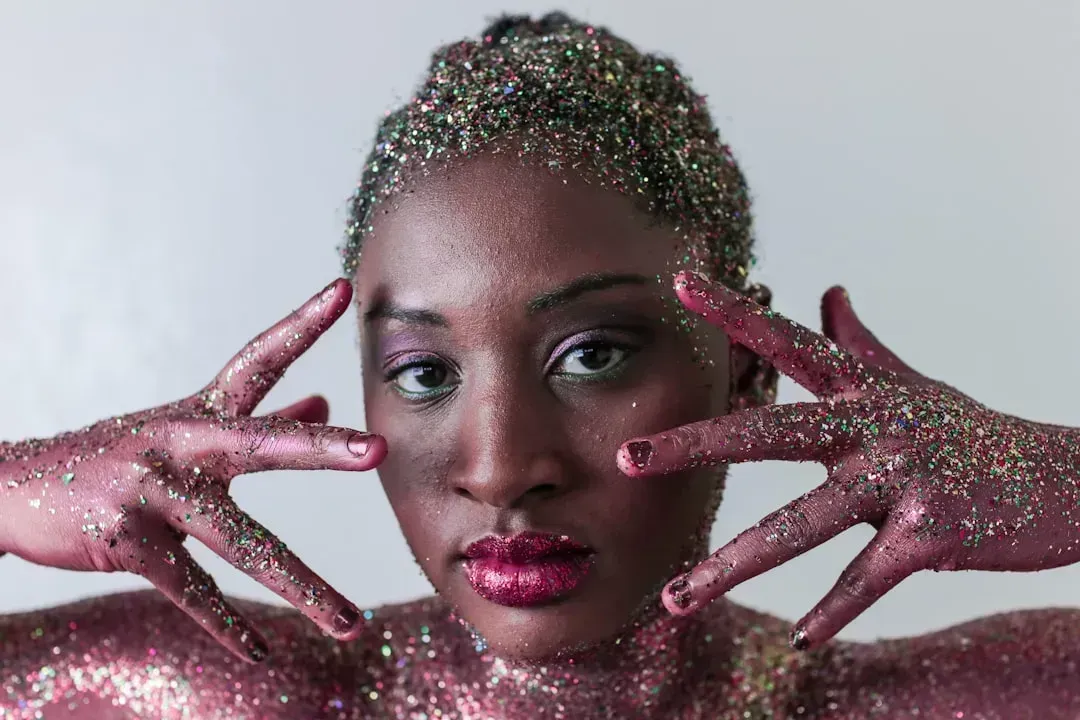
People loved glitter in the ’90s. Every form of makeup came in some type of glitter variety, whether gels, sprays, powders, or anything else you could name. Celebrities and everyday people alike just adored the stuff. This trend was primarily led by pop artists like Christina Aguilera and Britney Spears, who often came across as walking disco balls. It certainly looked unique, but it proved an incredible pain in nearly every other regard. Body glitter was messy, hard to clean up, got absolutely everywhere, and was borderline impossible to get off your skin.
Body glitter fit with the overall aesthetic of the run-up to the millennium, sort of cartoonishly psychedelic retro-futuristic, with chunky Apple computers in colors like “grape” and “tangerine,” frosty blue and metallic eyeshadows, and borderline seventies prints. It was all cheerful but a little bit weird – a little bit nervous about the future. Seen through a modern lens, covering yourself in loose iridescent particles before leaving the house reads less like a fashion statement and more like a very poor decision made in a dimly lit mall bathroom.
Over-Plucked Eyebrows: The Beauty Mistake That Could Not Be Undone
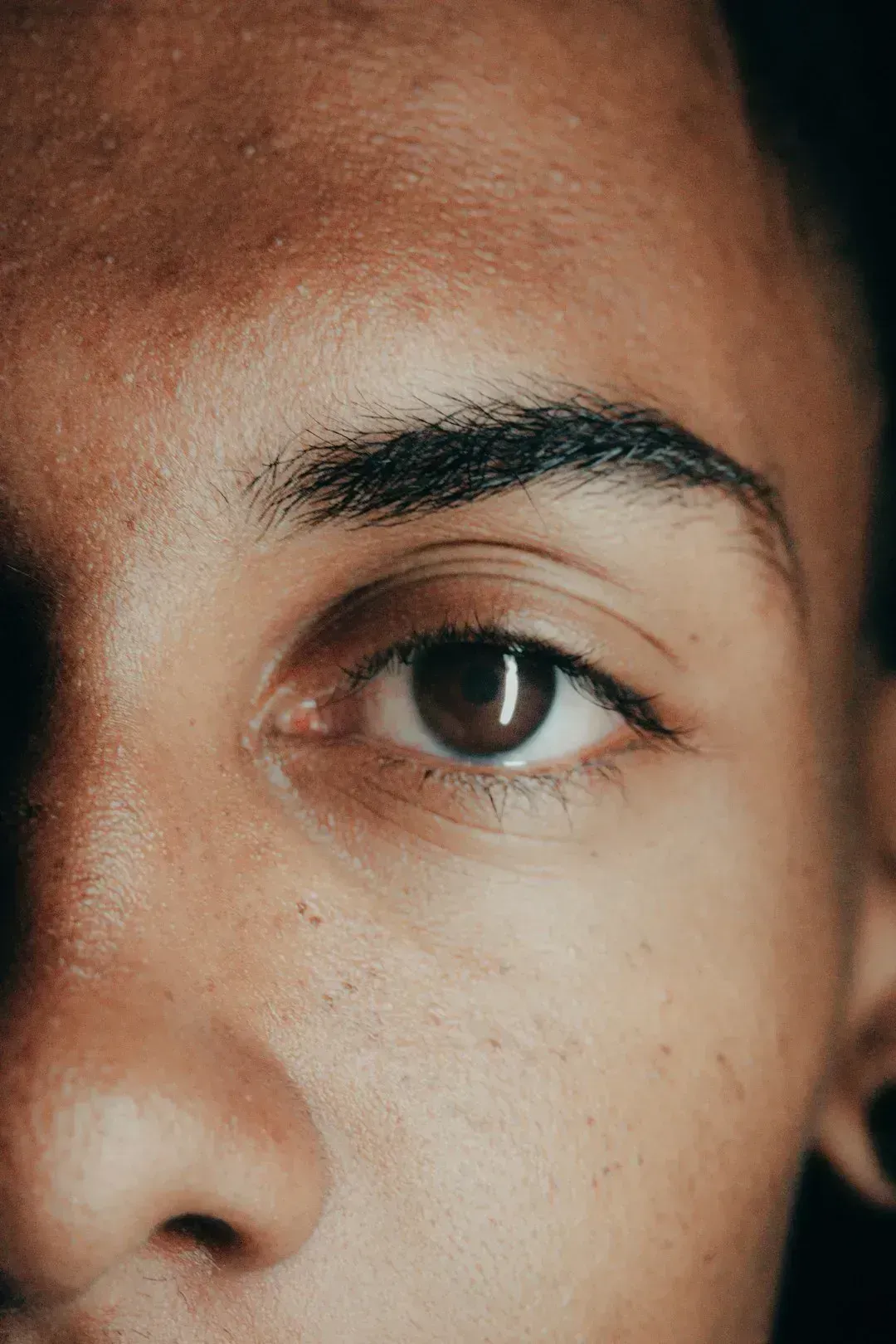
Overly plucked eyebrows became a significant beauty trend in the 90s, characterized by their pencil-thin appearance. Fueled by fashion magazines and celebrities, this look was seen as chic and modern. In the ’90s, it was apparently time for over-plucked eyebrows. Celebrities like Gwen Stefani, Ginger Spice, and Drew Barrymore, who is perhaps the most famous example, made this trend feel essential, inspiring many to grab the tweezers and get to work.
Like many out-of-date fashion trends, some grew to regret it in retrospect. That’s not to say that people can’t pull off the look or that there’s something inherently wrong with having thin eyebrows. In a time where it seemed like everyone was doing it, many people just didn’t do it right. The bitter irony is that eyebrow hair doesn’t always grow back. Plenty of Gen X women spent years in the 2010s and beyond using pencils and powders to redraw the arches they had so confidently tweezed away two decades earlier.
The Macarena: A Dance That Somehow Escaped Irony
Los del Río’s “Macarena” was first released in 1993, but it didn’t blow up until a remix reached the top of the charts in 1996. The accompanying dance became a staple of weddings, school dances, and sporting events. For a solid year or two, there was basically no escaping it. Whether people genuinely enjoyed the Macarena or was everyone just doing it ironically is hard to say. Regardless, the Macarena was the dance of the ’90s, and looking back on it is a little cringeworthy. The dance comes from the song of the same name by Los del Río.
The particular brand of embarrassment here is that the Macarena required full physical commitment. You couldn’t half-do it. You had to fully commit to the arm movements, the hip swivel, and the quarter-turn jump in front of everyone you knew. Not everything from that beloved decade aged gracefully, and some trends once embraced with complete confidence now make us cringe with recognition. People genuinely believed they had reached the absolute peak of cool, strutting through malls and school hallways, convinced their style choices were revolutionary.
90s Slang: Phrases That Sound Physically Painful Today

Every generation has their own slang, and the ’90s had some real doozies. “As if!” was a big one, as everyone thought they were Cher Horowitz. “Talk to the hand” was another, and it even made its way into the Terminator franchise. There were weird, inexplicable ones like “home slice” and “All that and a bag of chips,” along with quirky alterations to existing words, like “rad,” “chillax,” and “wassup.”
What was once considered the epitome of coolness and trendy slang for one generation might become cringe-worthy and outdated for the next. The phrases that Gen X held dear as markers of their identity now face a very different reception from the Gen Z crowd. Gen Z just can’t help but laugh when they hear Gen X using words that haven’t been cool since the ’90s. It doesn’t read as them trying to be fun. Instead, it reads as them trying too hard. Hearing someone use old terms with complete sincerity is the number one way for Gen Z to completely check out of a conversation.
Tribal and Barbed Wire Tattoos: Permanent Decisions With Impermanent Logic
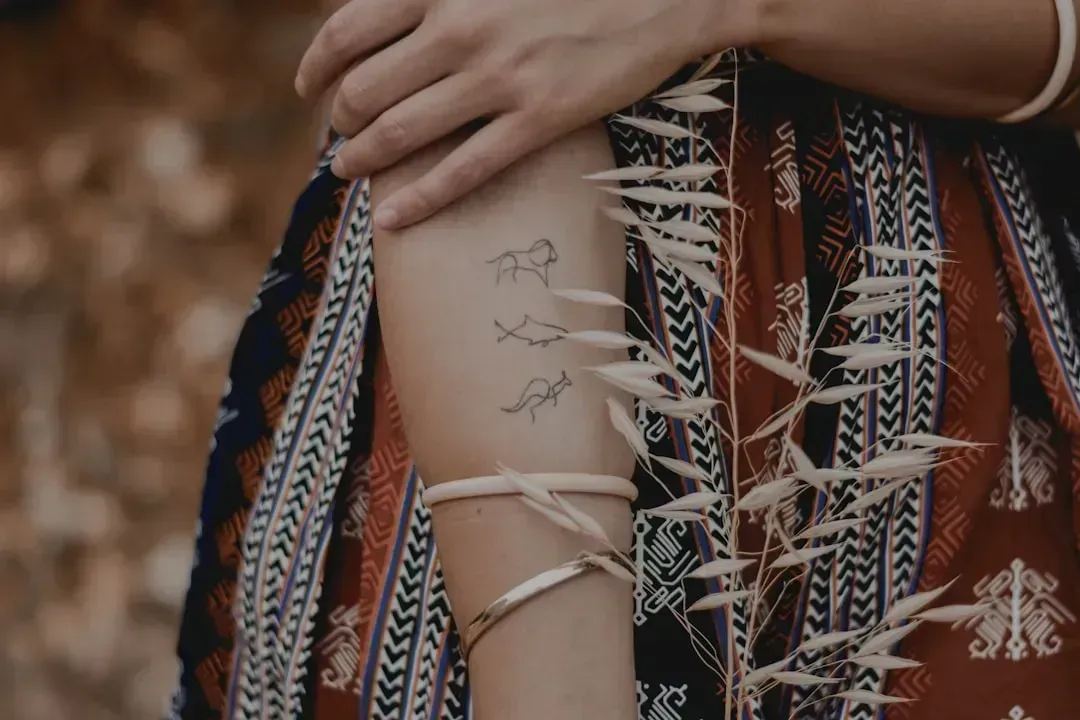
You simply can’t discuss tattoo trends in the ’90s without mentioning the fad that was getting so-called “tribal” patterns inked, usually on the upper arm. In fact, it was probably the defining tattoo trend of the decade, linked to the island lifestyle fad that marked much of ’90s pop culture. Tribal tattoos from the ’90s are cringeworthy looking back, a permanent reminder of cultural amalgamation and appropriation – they are, of course, loosely inspired by tattoos from Polynesian cultures, including Maori, Hawaiian, and Tahitian, and traditions that date back thousands of years.
Who could forget Pamela Anderson’s inked arm band that ignited the barbed wire tattoo trend? The Baywatch star’s 1994 barbed wire tattoo on her left bicep will be remembered forever, even if Anderson since had it removed, as the inspiration for all of the barbed wire tattoos to come that decade. It was not until the 1980s that the emergence of “tribal” tattoo styles truly took hold in the American tattoo industry. Suddenly, designs that were distinctly from different parts of the Pacific Islands appeared on American arms, chests, and backs, and when celebrities started showing these tattoos, the trend was set. The cringe today is both aesthetic and ethical.
Hypercolor and Acid-Washed Everything: Fabric That Fought Back
It was counterintuitive to come up with a line of clothing for adults that only served to cause embarrassment. The clothing was meant to act like a mood ring, responding to your emotions and behavior, but turned out to be a bad idea altogether. People quickly discovered that places like their armpits and the small of their backs were the first to change color, causing everyone to pray they had showered and put on deodorant that day.
Acid-washed jeans and tie-dyed shirts were a staple in the late 80s and early 90s. The bigger and brighter the bleach stains, the better. People wanted so desperately to be unique and different and were willing to ruin a perfectly good pair of pants to achieve it. Tie-dying was similar, but allowed for incorporating other colors instead of just bleaching clothing. Acid-washed denim reached peak popularity as Gen X started growing up and adopting the fun style. Looking at it now, the overall effect lands somewhere between “art project gone wrong” and “laundry mistake with ambition.”
The Double-Shirt Layer: Short Sleeves Over Long Sleeves
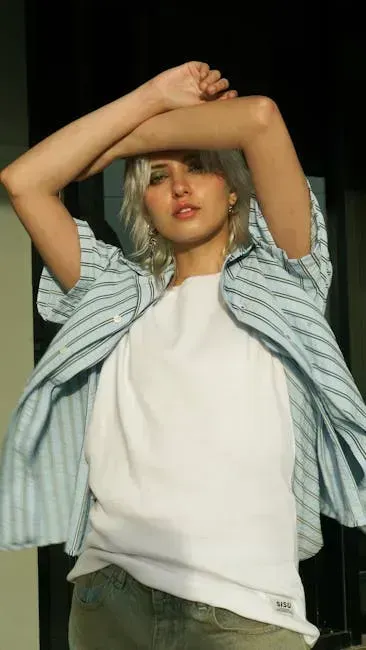
Another quintessential ’90s look was wearing short sleeve shirts over long sleeve shirts. This trend originally got its start back in the late ’70s before gaining traction throughout the ’80s. However, it peaked in the early ’90s around the time Kurt Cobain rocked the look in the “Smells Like Teen Spirit” music video, and quickly became one of the defining looks of the time.
It’s more rare to see much of this double-layered look these days. It’s one of the many relics of the once popular grunge era, and it’s now mostly the stuff of nostalgia and jokes. The problem with the look was never the concept exactly. It was that it required wearing two shirts when one would do, and the result mostly just looked like someone got dressed in a hurry and forgot to take off yesterday’s outfit. Despite these fashion missteps, the 1990s hold a special place in many hearts thanks to the rich cultural contributions and creativity of the time. The music, movies, and tech innovations from that decade still shape culture today, proving that great ideas can stick around even alongside some less-than-stellar style choices.
Wallet Chains and Mood Rings: Accessories That Made Zero Sense
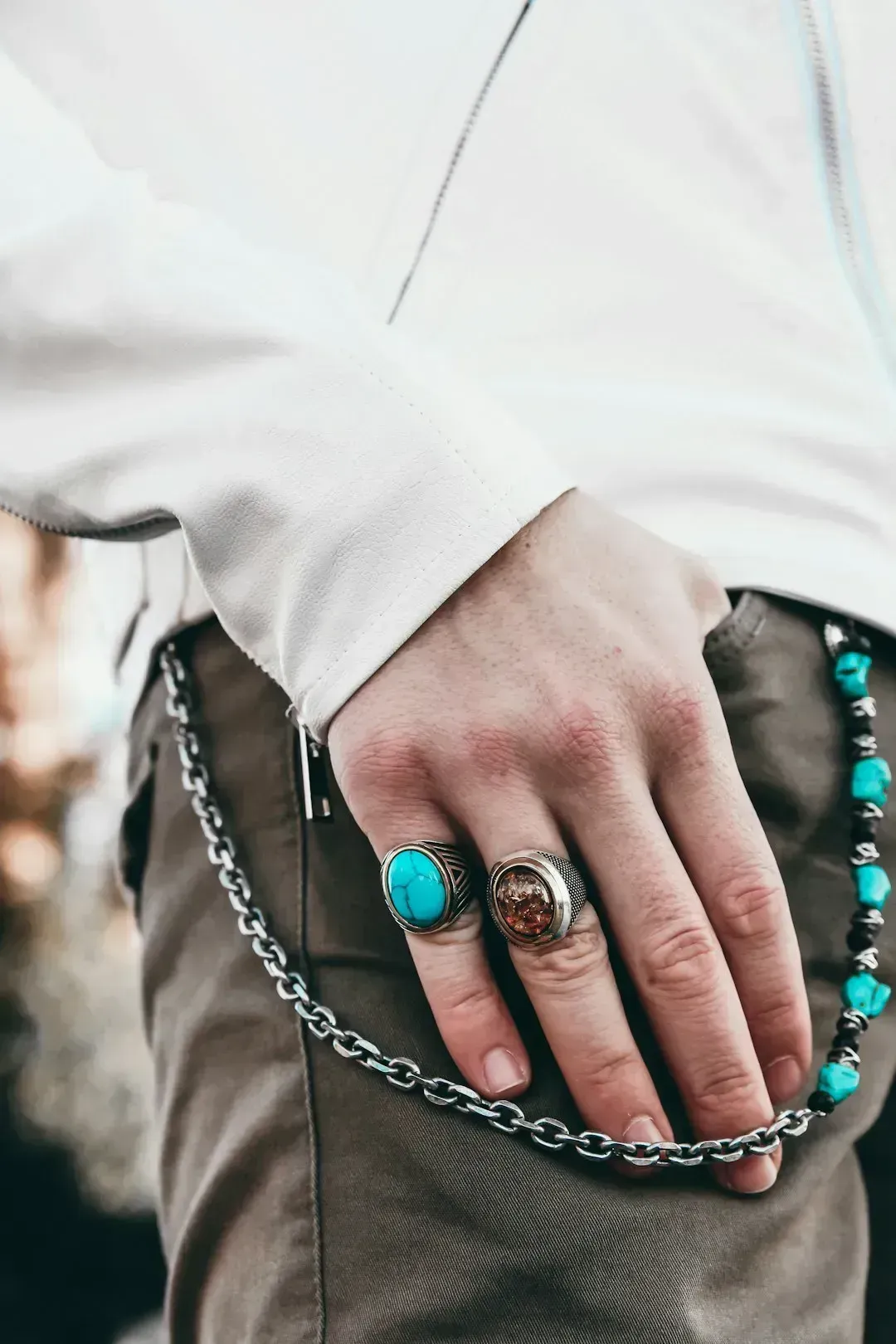
Wallet chains were more than just a fashion statement; they were a practical accessory for many in the 90s. Designed to keep wallets secure, these chains dangled from belt loops, adding an edgy flair to any outfit. They became especially popular among skateboarders and punk enthusiasts who embraced their utilitarian charm. These glittery, colorful butterfly clips were naturally shaped like butterflies, and girls often put dozens in their hair at a time. Chain wallets were exactly what they sound like: chains hanging from your wallet and connecting to your belt loops – equal parts fashion statement and practical theft-prevention.
Mood rings were a mystical and intriguing trend of the 90s, known for their ability to change colors based on body temperature. Each color was believed to represent a different emotion, adding an element of mystery. These rings became a popular accessory for kids and teens, offering a glimpse into their emotional state. The novelty and allure of mood rings made them a fun talking point among friends. In truth, they mostly just turned black when your hands got cold, which, depending on your state of mind at a given moment, was probably less emotionally informative than advertised. Both accessories were worn with total conviction by a generation that took its aesthetic cues from MTV and skateboarding magazines, and both look equally puzzling three decades later.