
Rebuilding in the same footprint after disaster strikes
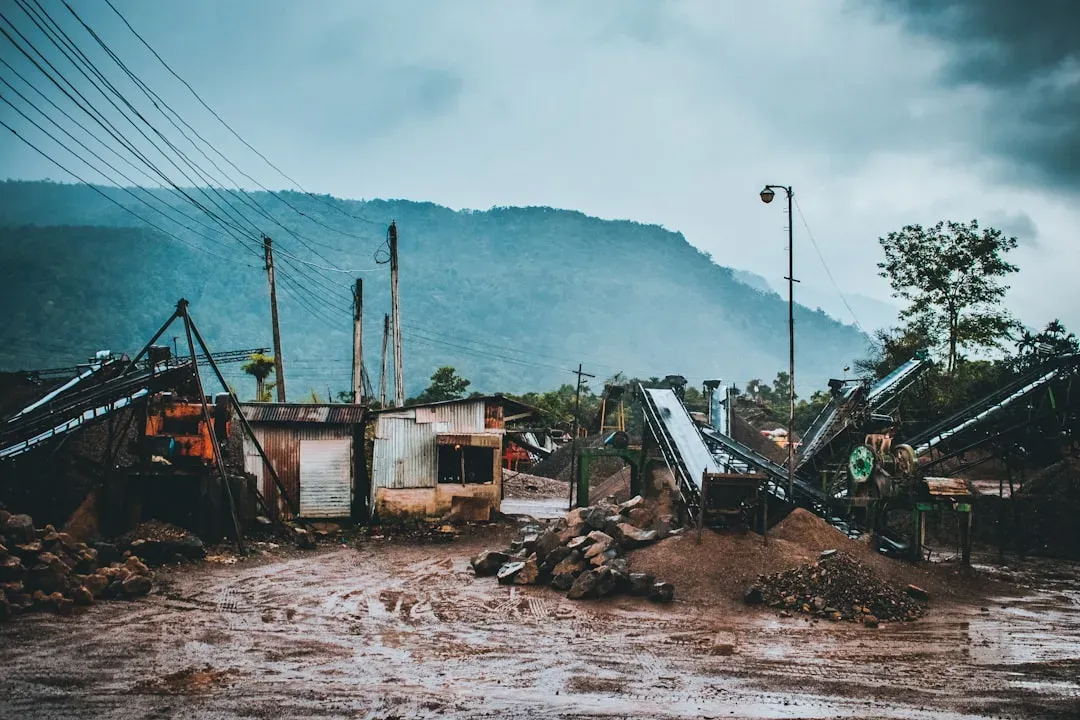
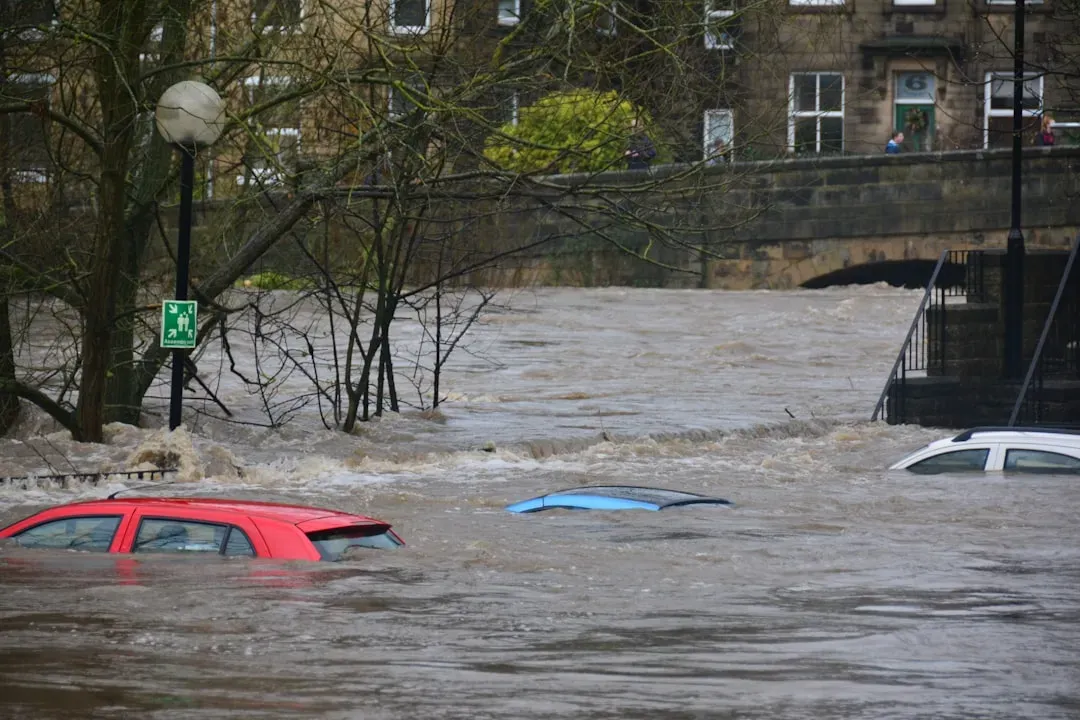
After a flood, fire, or storm, the fastest path back to normal is almost always to rebuild on the same lot, using the same layout, often before anyone has taken a hard look at whether that location will flood or burn again. Researchers studying flood-prone regions have found that continuing to live, build, and rebuild in highly flood-prone areas makes frequent flood disasters inevitable, largely because of the rapidly changing nature of flood hazards driven by increasing frequency and intensity of flash flood events fueled by climate and land-use changes. The urge to restore what was lost is understandable, but it treats the disaster as a one-time event rather than a preview of what is likely to happen again.
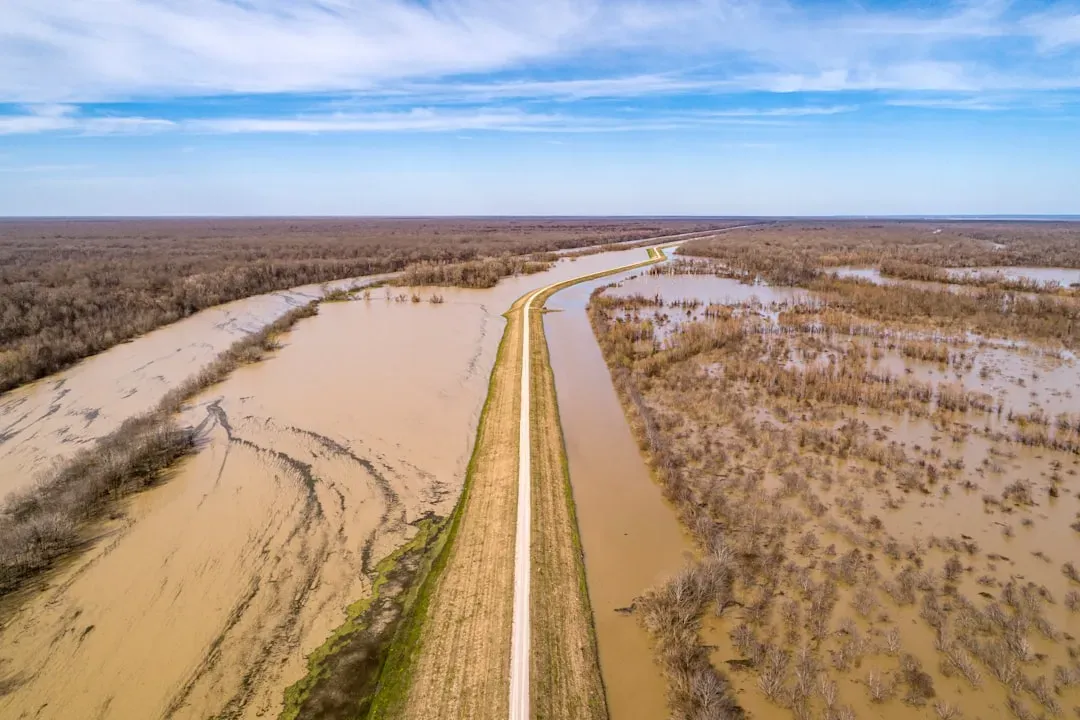
Bangladesh offers a sobering example. Despite years of investment in shelters and warning systems, researchers noted that the 2024 floods caused widespread damage and loss of lives because current flood management measures and resilience strategies are based on historical flood regimes and fail to adequately address the changing nature of flood hazards. Rebuilding without changing the underlying exposure just resets the clock until the next event.
The levee effect: mistaking protection for immunity
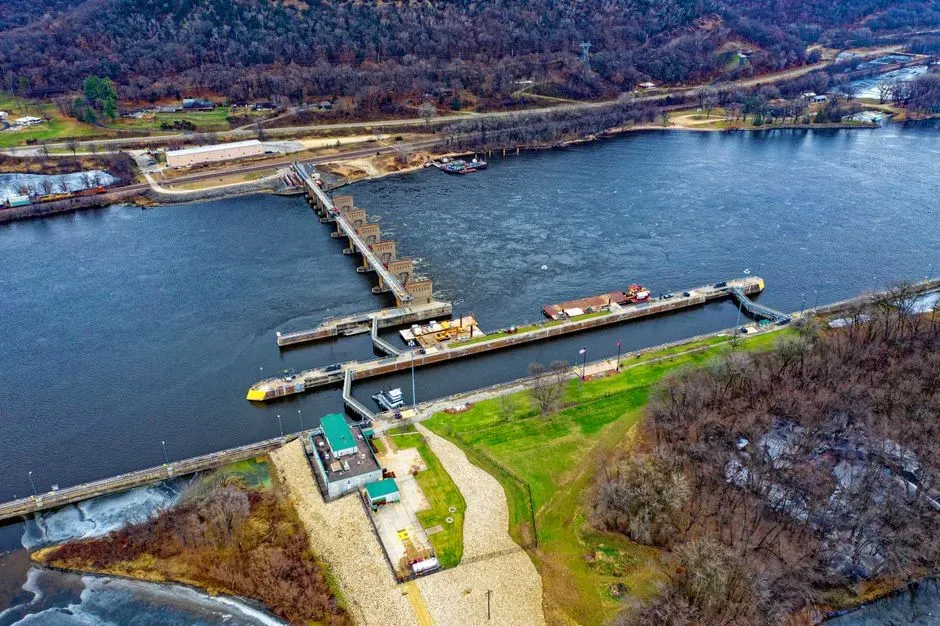
Levees, seawalls, and flood walls are supposed to lower risk, and in the short term they usually do. The trouble starts when people assume the protection is absolute. A widely cited body of research known as the levee effect shows that urban development tends to increase in lands protected by levees and other hydraulic infrastructure because they engender a false sense of security, drawing more homes, businesses, and people into places that remain fundamentally at risk.
The danger is not the levee itself but what happens once it is built. Studies going back decades have found that structural protection reduces minor floods but paradoxically encourages floodplain development, amplifying long-term damages as more people and assets become exposed to floods that exceed protection structures. When that rare, larger flood finally arrives, the losses are concentrated and severe precisely because so much was built behind a wall assumed to be enough.
The safe development paradox at the edge of flood maps
It turns out the problem is not limited to areas behind physical barriers. Even flood maps themselves, meant to warn people away from risk, can backfire. Researchers at North Carolina State University found that the “safe development paradox” clusters development just beyond the highest-risk flood areas, even though in reality the risk extends beyond the floodplain’s edge, creating dense pockets of vulnerable construction right outside the official danger line.
The scale of this pattern is striking. Nationwide projections cited in that research suggest approximately 22% of all anticipated growth from 2020 to 2060 is likely to occur within 250 meters of the 100-year floodplain, equivalent to nearly 6,900 square kilometers of new development. A line on a map is not a wall, yet communities keep treating it like one.
Designing for yesterday’s climate, not tomorrow’s
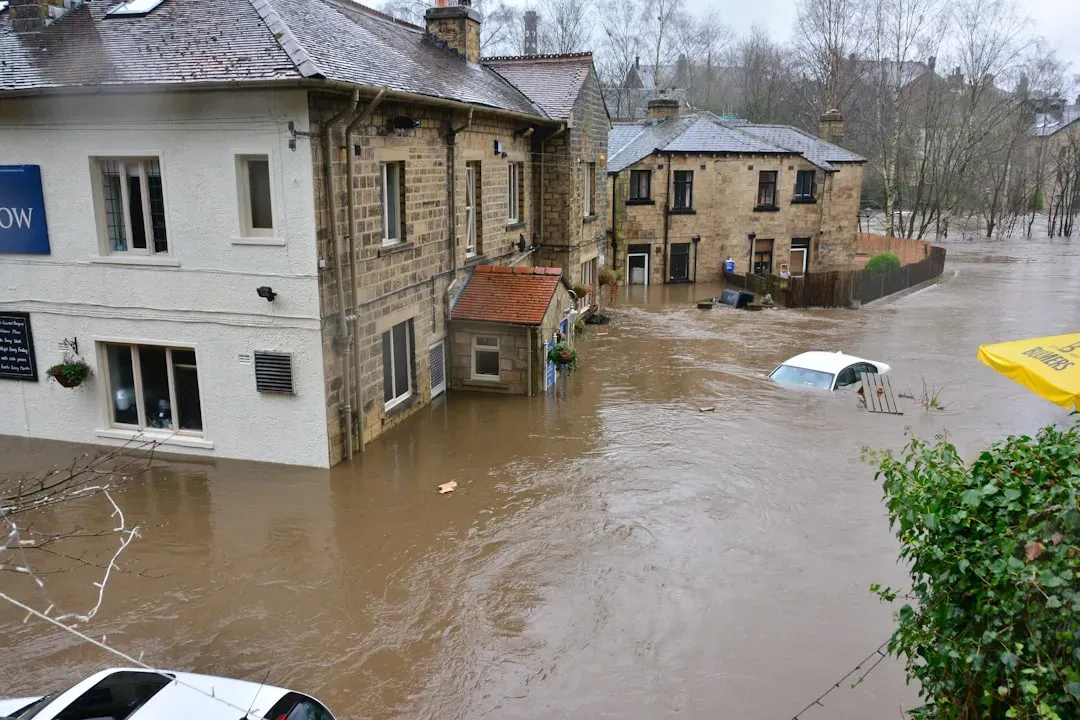
Bridges, drainage systems, and levees are typically engineered using historical rainfall and flood records, on the assumption that past patterns will hold. Engineers interviewed after recent catastrophic floods pointed out that this assumption is that historical trends will continue into the future, but with climate change, that assumption doesn’t hold. Infrastructure built to withstand a fifty-year storm from decades ago may now face storms that arrive far more often and with more intensity.
The 2024 floods in Valencia, Spain illustrated how deadly that mismatch can be. The disaster caused 223 fatalities, the displacement of 15,000 residents, and financial losses estimated over 50 billion euros, and analysts pointed to vulnerabilities in urban planning, ambiguous command and control oversight, delayed warnings, and insufficient preparedness as underlying causes. Infrastructure planned around an outdated climate baseline is not a minor technical detail. It is a widening gap between what a community thinks it can survive and what it will actually face.
Ignoring the insurance market’s own retreat as a warning
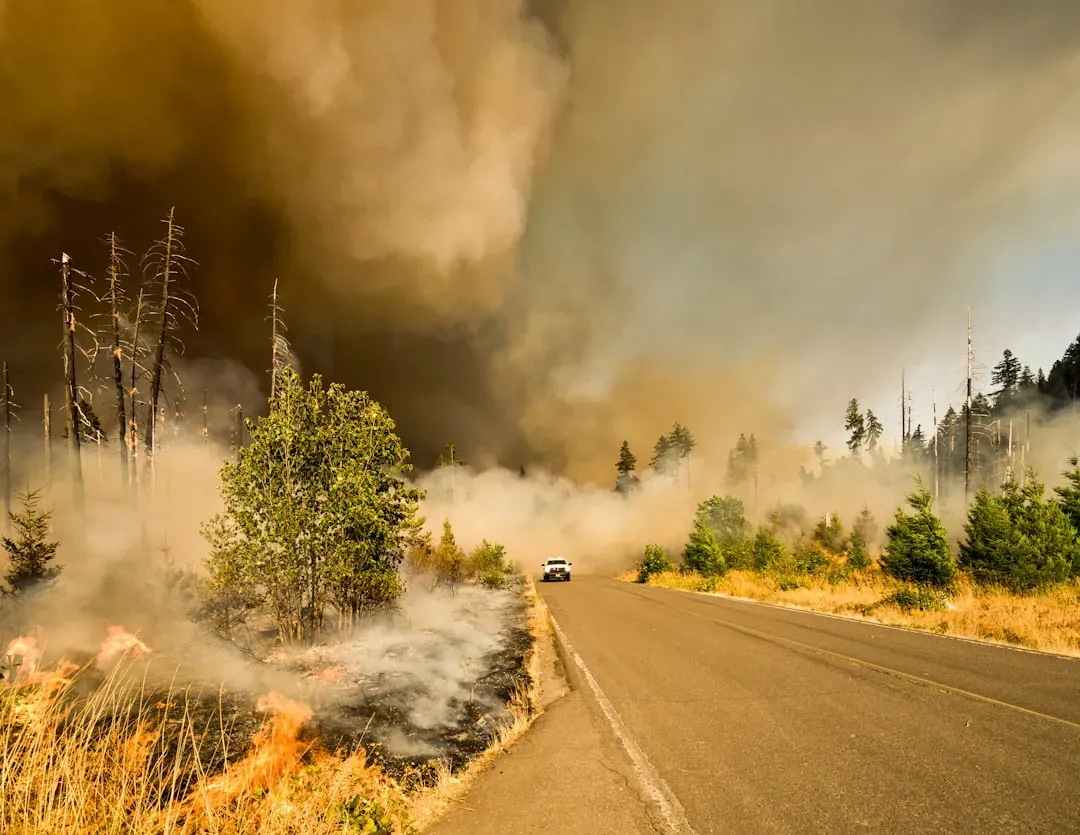
Insurance companies price risk for a living, so when they start pulling out of a region entirely, it is worth paying attention. In California, enrollment in the state’s last-resort FAIR Plan surged 43% between September 2024 and December 2025 as insurers pulled back from the state following a series of catastrophic wildfires, including the $40 billion Los Angeles fires. That is not a subtle signal. It is the market openly stating that certain places are no longer safe bets.
The scale of exposure has become genuinely alarming for regulators. By late 2025, the FAIR Plan’s total liability was nearly $700 billion, more than double the level two years earlier, prompting one climate adaptation expert to call the trend outright “scary.” Communities that keep permitting new construction in the same hazard zones while insurers quietly walk away are effectively ignoring the clearest early warning system available.
Speed over standards in post-disaster rebuilding
After a disaster, the political pressure to rebuild fast is intense, and stricter building or floodplain standards often get framed as obstacles rather than protections. In March 2025, FEMA eased a federal standard that had required certain federally funded projects to build to a higher flood-resilience threshold, explaining that stopping implementation will reduce the total timeline to rebuild in disaster-impacted communities and eliminate additional costs previously required to adhere to these strict requirements. The logic of speed is real, but it trades a faster reopening for a weaker foundation.
Disaster recovery organizations warn that this trade-off tends to repeat the same vulnerabilities. As one group focused on flood recovery put it, after a flood, rebuilding shouldn’t just mean returning to the status quo; communities need to be rebuilt in a way that prepares them for future risks, including construction that can withstand floods and community-based resilience programs. Skipping that step to save a few months now often means paying for it again later.
Delaying managed retreat until it becomes forced retreat

Moving people permanently out of a hazardous area, often called managed retreat, is one of the most effective ways to cut future losses. It is also one of the hardest sells politically and emotionally. Research on relocation efforts has consistently found that these complexities not only make relocation logistically and politically challenging but also fuel resistance from affected communities, particularly when it is perceived as a top-down, state-led imposition.
Place attachment plays a huge role in why communities resist even when the data is unambiguous. Reviews of relocation literature note that overall, the majority of research shows strong place attachments are a barrier to relocation. The result is that many towns wait until a disaster forces an evacuation that could have been a planned, less traumatic, and far cheaper move years earlier.
Overlooking compounding and cascading hazards
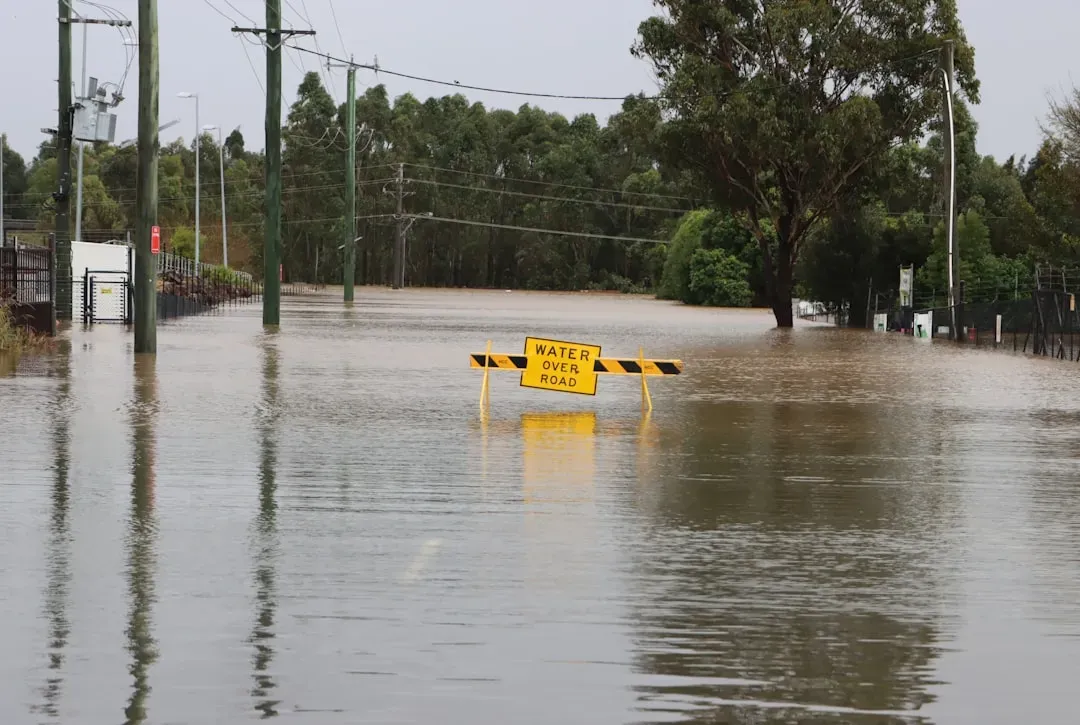
Disaster planning still tends to treat hazards as isolated events, a flood here, a fire there, rather than recognizing how one hazard can trigger or worsen another. The 2025 Texas Hill Country floods showed how quickly conditions can cascade, with floodwaters rising 26 feet in just 45 minutes before daybreak, overwhelming warning systems that had little time to react. Local soil and terrain conditions made the situation worse, since, as one civil engineering researcher explained, the Hill Country has very unique soil conditions, with a thin soil layer and mostly granite and limestone underneath.
These layered vulnerabilities rarely fit into a single-hazard planning document. A community might have a solid flood plan and a solid wildfire plan, yet still be caught off guard when drought, heat, and heavy rainfall interact in ways no single plan anticipated. Planning that isolates hazards from one another misses exactly the kind of compounding risk that has driven some of the costliest disasters of the past two years.
Leaving rural and lower-income communities out of the recovery math
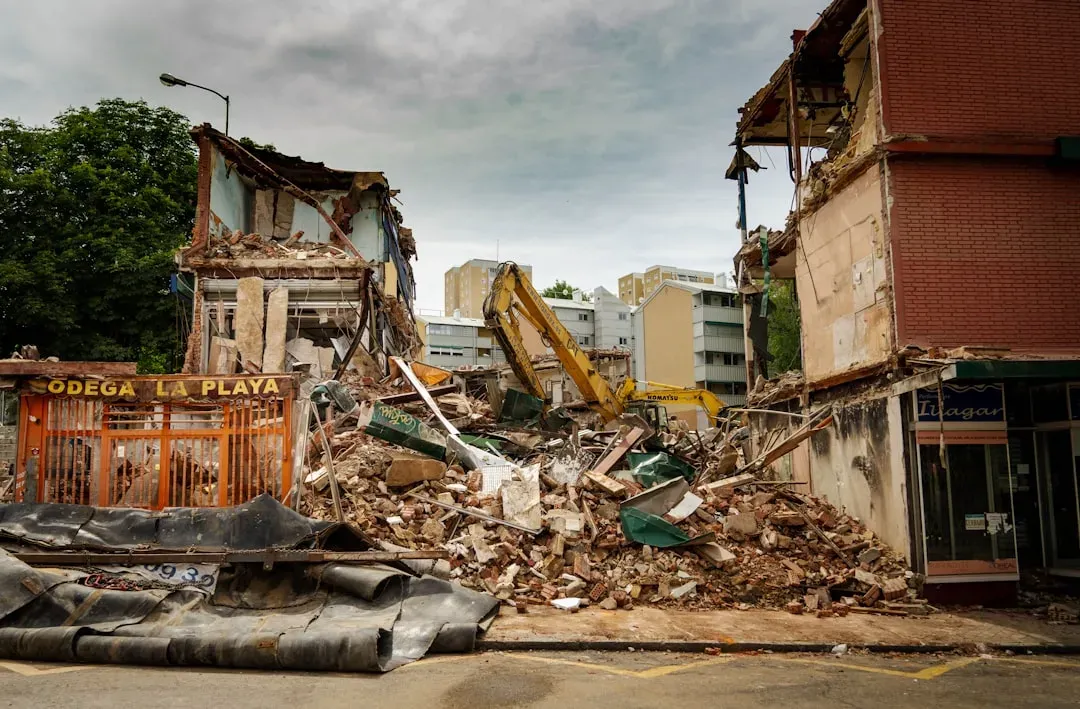
Flood and wildfire recovery attention tends to concentrate on high-profile disasters, leaving smaller or more isolated communities to fend for themselves. Disaster philanthropy researchers have observed that communities affected by flooding that isn’t associated with a larger-scale, high-attention disaster too often do not receive the attention and resources they need to adequately and equitably recover, and as more climate-related disasters occur globally, it’s harder to draw attention to isolated or rural communities. That imbalance means the mistake of rebuilding without changing exposure gets repeated hardest in places with the fewest resources to do anything differently.
Displacement compounds the inequity further. The same research notes that displaced populations from conflict, climate change, or economic pressures are often housed in more flood-prone areas, with limited resources to protect themselves, while economic inequality can make it difficult for certain communities to recover and rebuild, leaving them in a cycle of vulnerability. Without deliberate investment aimed at these communities, the pattern of repeated exposure becomes self-reinforcing.
What comes next
None of this points to a single villain or a simple fix. Insurers, engineers, planners, and residents are each responding rationally to short-term pressures, yet the combined effect is a system that keeps recreating its own risk. The mistake is not any one rebuilding decision. It is the accumulation of thousands of them, made under time pressure, political sensitivity, and genuine attachment to home.
What separates communities that break the cycle from those that do not seems to come down to timing. Places that update flood maps, invest in resilient rebuilding before the next disaster rather than after, and treat insurance retreat as an early warning rather than background noise are the ones most likely to avoid repeating this mistake. The rest are left waiting for the next storm to make the decision for them.