
Most people have pushed through a rough week of sleep without thinking much of it. A few late nights, an early alarm, maybe some stress keeping you awake. By Friday you feel drained, but the assumption is that a long weekend sleep-in will fix everything. The science tells a more complicated story.
Research across multiple disciplines now makes it clear that even short periods of insufficient sleep set off measurable changes inside the body, particularly in the systems that govern how we respond to stress. These aren’t just feelings of tiredness. They are biochemical, neurological, and cardiovascular shifts that can persist well beyond the night you finally catch up on rest.
What Sleep Debt Actually Means

Sleep debt is a term describing the difference between the amount of sleep needed and the amount of sleep obtained. It sounds straightforward, but the concept carries a lot of weight. Sleep debt can accumulate over time, resulting in poor cognitive performance, increased sleepiness, poor mood, and a higher risk for accidents.
Sleep debt results from getting less than seven hours of sleep each night, and it can quickly add up from common activities like working, commuting, socializing, relaxing, and watching TV. The insidious part is that the body doesn’t always register the deficit clearly. Those with accumulated sleep debt may not always experience increased levels of tiredness or fatigue. Research has demonstrated that people can cognitively adapt to chronic sleep restriction without feeling particularly sleepy, even though their body is showing significant declines in physical and mental performance.
The HPA Axis: Your Stress Machinery at Risk

Cortisol is produced by a complex network known as the hypothalamic pituitary adrenal (HPA) axis, which includes the hypothalamus and pituitary gland in the brain, as well as the adrenal glands, which sit on top of the kidneys. This axis is the central command system for the body’s stress response, and sleep is deeply intertwined with how it operates.
Sleep deprivation and sleep disorders are associated with maladaptive changes in the HPA axis, leading to neuroendocrine dysregulation. Put simply, when you consistently cut sleep short, the machinery that decides how your body reacts to stress starts to malfunction. The stress hormone cortisol is produced in the adrenal glands and regulated by the HPA axis, which also helps coordinate sleep cycles. When the HPA axis is disrupted through poor nutrition, chronic stress, or illness, insomnia and other sleep disturbances can result.
How Cortisol Levels Shift After Poor Sleep

After partial and total sleep deprivation, plasma cortisol levels in the evening were higher than the day before, with increases of roughly a third for partial and nearly half for total sleep deprivation, and the onset of the quiescent period of cortisol secretion was delayed by at least one hour. That delay matters because it means the body’s stress hormone stays elevated into the evening hours rather than tapering down as it normally should.
Even partial acute sleep loss delays the recovery of the HPA from early morning circadian stimulation and is thus likely to involve an alteration in negative glucocorticoid feedback regulation. Sleep loss could thus affect the resiliency of the stress response and may accelerate the development of metabolic and cognitive consequences of glucocorticoid excess. In other words, a week of short nights doesn’t just make you feel tired, it actively changes how cortisol behaves throughout the day.
The Bidirectional Problem: Sleep and Stress Feed Each Other

Sleep and stress interact in a bidirectional fashion, sharing multiple pathways that affect the central nervous system and metabolism, and may constitute underlying mechanisms responsible in part for the increasing prevalence of metabolic disorders such as obesity and diabetes. This is one of the more frustrating aspects of sleep debt: the worse you sleep, the more your stress response malfunctions, and a dysregulated stress response then makes it harder to sleep well.
Animals and humans experiencing partial sleep restriction usually exhibit detrimental physiological responses, and the perturbation of sleep homeostasis is usually accompanied by an increase in HPA axis activity, leading to a rise in circulating levels of stress hormones such as cortisol in humans. The cycle is self-reinforcing. The HPA axis and pro-inflammatory signaling are not isolated systems but components of a shared, self-reinforcing feedback loop. Sleep loss acutely activates inflammatory pathways and heightens stress reactivity.
The Amygdala Disconnects From Rational Control

The amygdala, crucial for processing emotional stimuli, shows hyperactivity in sleep-deprived individuals. Concurrently, the prefrontal cortex, responsible for executive functions including emotional regulation, exhibits decreased activity and functional connectivity. These two regions essentially lose their working relationship, and the emotional alarm center of the brain starts firing without its usual oversight.
Research using brain imaging has quantified just how dramatic this shift can be. Sleep-deprived individuals exhibited a remarkably greater magnitude of amygdala activation in response to negative picture stimuli compared to the control group, along with a three-fold increase in the extent of amygdala volume that was activated. The weakened functional connectivity between the medial prefrontal cortex and the amygdala after sleep deprivation may impair top-down emotion regulation and trigger affective dysregulation.
Mood, Anxiety, and Emotional Vulnerability

In addition to decreasing arousal level and cognitive performance, sleep debt also induces emotional dysregulation, including emotional instability such as mood fluctuation and vulnerability to mild stress and sympathetic hyperreactivity toward negative emotional stimuli. Even situations that would normally feel manageable can start to feel overwhelming after several nights of insufficient rest.
Research comparing different durations of sleep deprivation found that the degree of negative emotional behavioral impairment was significantly more severe after fourteen days than after seven days, consistent with conclusions from clinical studies that acute sleep deprivation impairs the body’s emotion regulation function, while chronic sleep deprivation further increases individual emotional vulnerability. Even a single week represents a meaningful turning point where these emotional effects begin to take hold.
Cardiovascular Signals Change Too

Heart rate variability, which is regulated by cardiac autonomic nervous system activity, is significantly reduced after a period of sleep deprivation. Sleep deprivation also elevates blood pressure through sympathetic overactivity, sympathovagal imbalance, and arterial baroreflex changes. Heart rate variability is considered one of the cleaner indicators of how well the autonomic nervous system is balancing its two branches, and sleep loss nudges it in an unhealthy direction.
Research shows that heart rate is elevated during recovery but not during sleep restriction itself, while providing evidence that heart rate increases with successive nights of sleep restriction. Most notably, both heart rate and systolic blood pressure failed to recover to baseline levels after two nights of recovery sleep following sleep restriction, suggesting that a weekend of catch-up sleep after a work week of sleep restriction may not be sufficient recovery. That finding alone reframes what a “hard week at work” actually costs the body.
Appetite Hormones Shift, Compounding the Stress

Two consecutive nights of sleep restriction in young men were associated with a substantial increase in ghrelin and reduction in leptin during the day, leading to increased hunger and appetite, mostly for energy-rich foods with high carbohydrate content and low nutritional quality, such as sweets, salty snacks and starchy foods. The drive toward comfort food during stressful, sleep-deprived stretches isn’t simply a matter of willpower.
Recurring poor sleep is associated with an altered cortisol secretion pattern. For example, delaying your bedtime could lead to high cortisol levels in the middle of the day, rather than just in the morning. Sustained high levels of cortisol can lead to an increased amount of insulin in the blood, which promotes the accumulation of belly fat and has the potential to lead to prediabetes, type 2 diabetes, and other metabolic disorders. An increase in cortisol levels during the day may induce prolonged feelings of stress, increased food cravings, and further insomnia, promoting a recurrent, cyclical pattern.
Why Catching Up on the Weekend Isn’t Enough
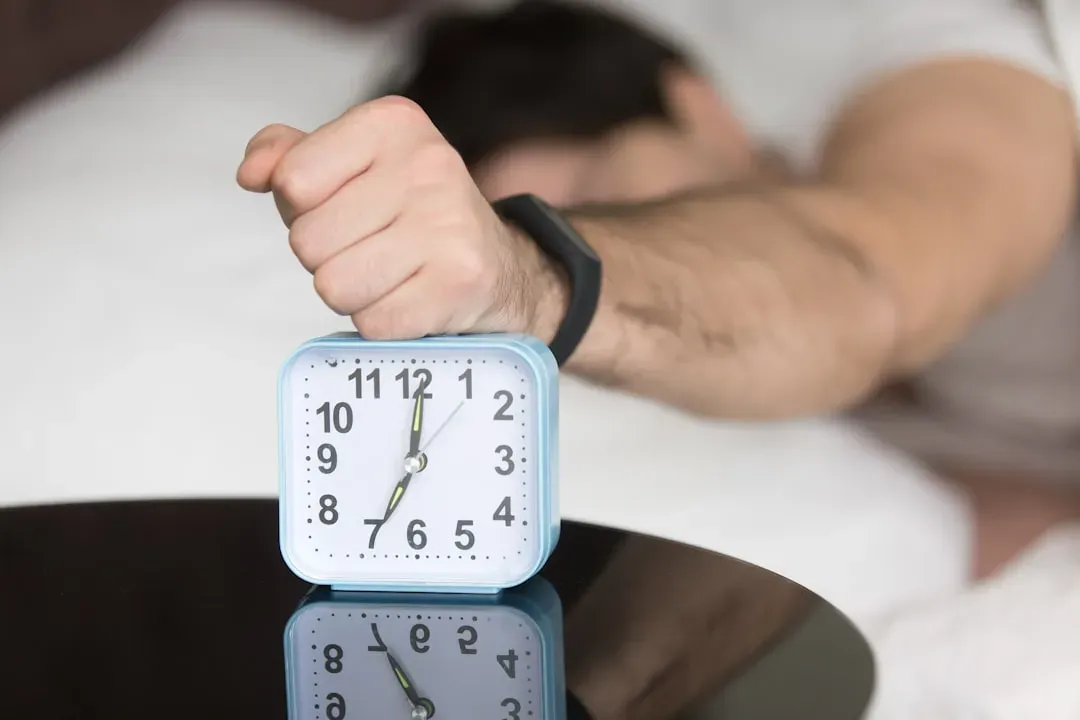
Research has shown that it can take up to four days to recover from one hour of lost sleep and up to nine days to completely eliminate sleep debt. That timeline surprises most people. We tend to assume that sleeping ten hours on a Saturday squares the ledger. The evidence disagrees.
Research finds that “weekend recovery sleep” is not enough to bring your metabolism back into balance after a lack of sufficient sleep throughout the week. The deeper problem is that the neuroendocrine effects of a week of poor sleep, including altered cortisol rhythms, increased amygdala reactivity, and shifted appetite signals, don’t simply vanish with a couple of long lie-ins. The recovery from potential sleep debt correlates with normalization of daytime sleepiness, sleep structure, and some neuroendocrine functions including glycometabolic and stress-related hormones, though recovery sleep periods required for these physiological functions may vary widely.
Long-Term Risks That Begin With Short-Term Habits
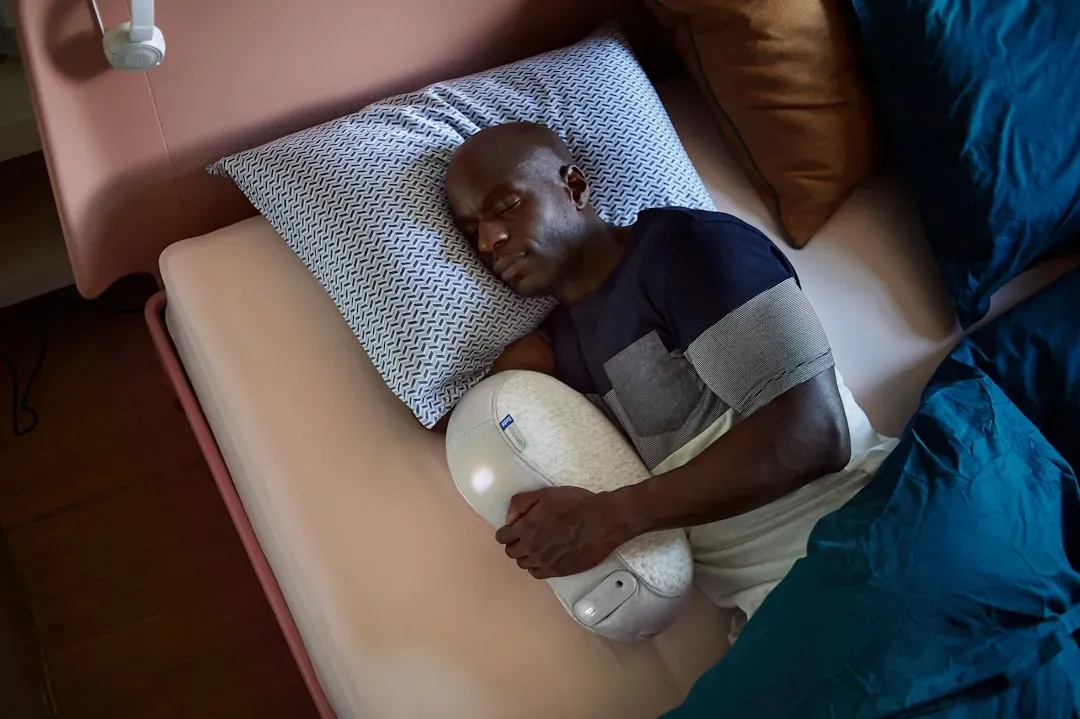
Inadequate sleep increases generalized inflammation, oxidative stress, endothelial dysfunction, and insulin resistance. Sleep loss is associated with elevated risk of hypertension, coronary artery disease, diabetes, obesity, immunological disorder, anxiety, depression, neurodegenerative disease, and cancer. These are not distant possibilities reserved for people with decades of poor sleep. The mechanisms that contribute to these outcomes can begin shifting within a single difficult week.
Modest but long-term sleep deprivation may be one of the causes of the growing number of patients with obesity, diabetes mellitus, and mood disorders. Sleep exerts an immune-supportive function, promoting host defense against infection and inflammatory insults. Sleep deprivation has been associated with alterations of innate and adaptive immune parameters, leading to a chronic inflammatory state and an increased risk for infectious and inflammatory pathologies, including cardiometabolic, neoplastic, autoimmune, and neurodegenerative diseases.
What This Means in Practical Terms

While the amount of sleep each person needs can vary, research shows that most adults need at least seven hours of sleep per night. That recommendation isn’t an aspiration. It reflects the threshold below which the stress response, emotional regulation, and metabolic function all begin to drift away from baseline. Sleep boosts the immune system and helps to regulate almost all the functions of the body, from the brain, heart, and lung activity, to metabolism and the endocrine system. During sleep, the brain also removes the metabolic waste it produces during the day.
Learning how much sleep your body needs and prioritizing sleep is the best way to avoid the accumulation of sleep debt and its health consequences. This sounds deceptively simple. In practice, it means treating sleep as a non-negotiable physiological requirement rather than a variable that adjusts around everything else. The stress response changes that accumulate across a single week are real, measurable, and slower to reverse than most people assume.
Conclusion

Sleep debt isn’t dramatic. It creeps in through ordinary life, through busy schedules, late screens, and early mornings. What makes it worth taking seriously is how quickly the body’s stress systems begin to respond. Cortisol rhythms shift, the amygdala becomes less regulated, the cardiovascular system shows strain, and appetite hormones swing toward craving.
None of this requires years of sleep deprivation to set in. One week is enough to move the needle in measurable ways. The deeper takeaway isn’t that a bad week will ruin you. It’s that the body is keeping a running tab, and the repayment schedule is longer and more demanding than a Sunday morning sleep-in can cover.