
Walk into a dinner party in 1975 and you’d encounter a world that felt warm, lively, and purposeful. Hosts took entertaining seriously, often spending days preparing. There was a real sense of ceremony to it all, which, in retrospect, is one of the reasons some of those ceremonies now feel so strange.
The problem isn’t that the ’70s were purely bad at hospitality. Many of those instincts, generosity, effort, formality, came from genuine care. What’s shifted is our understanding of what “making someone comfortable” actually means. A lot of habits that once read as considerate now land very differently. Here are eleven of them.
1. Smoking Freely Around Non-Smoking Guests
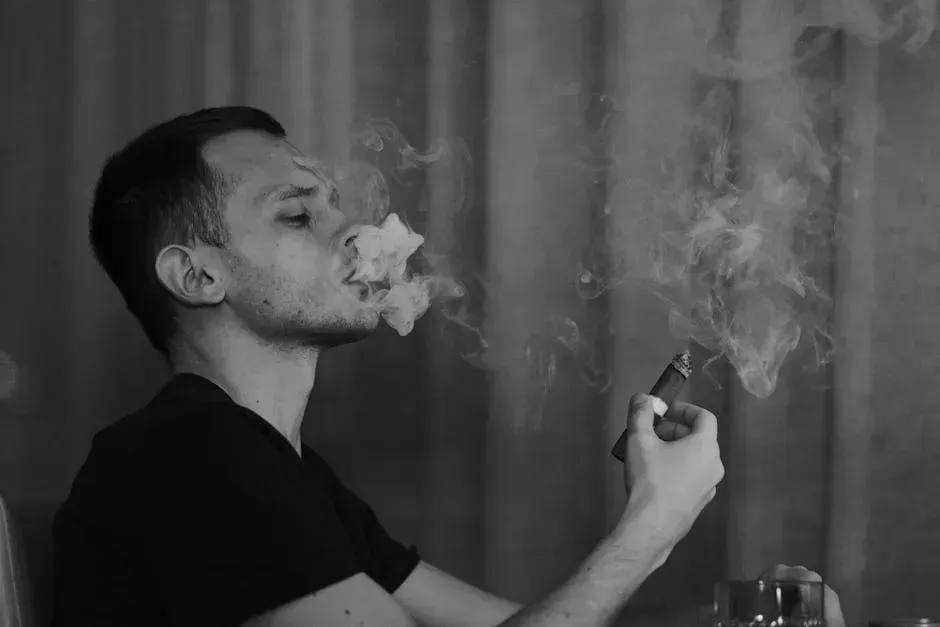
In the 1970s, lighting up a cigarette at a dinner party was no more remarkable than pouring a glass of wine. Ashtrays were standard table decor, and hosts who smoked rarely thought to ask permission. The idea that a guest might object, or that secondhand smoke posed a documented health risk, simply wasn’t part of mainstream social consciousness yet.
Today, this reads as an obvious violation of guest comfort and basic health awareness. Secondhand smoke contributes to premature mortality and high rates of morbidity, and almost two-thirds of deaths attributable to secondhand smoke occur in females. Hosting guests in a smoke-filled living room, even with windows cracked, would strike most people in 2026 as genuinely inconsiderate, not just an old-fashioned quirk.
2. Ignoring Dietary Restrictions Entirely

The ’70s dinner party menu was built around the assumption that everyone ate everything. In that era, aspirational cooking meant a showstopper dinner party, and set-piece dishes were designed to astound. Allergies, intolerances, and dietary choices were either invisible or treated as personal eccentricities that didn’t warrant special accommodation. If you didn’t eat meat or couldn’t have gluten, that was quietly your problem to manage.
The contrast with today’s standards is stark. Part of being a gracious host is being mindful of guests’ dietary needs, and calling out someone’s restrictions in front of a group, even with good intentions, can make them feel singled out or embarrassed. The ’70s approach wasn’t just indifferent to this, it didn’t even register the question. A guest with a serious allergy at a vintage dinner party was genuinely on their own.
3. Rigid Gendered Hosting Roles
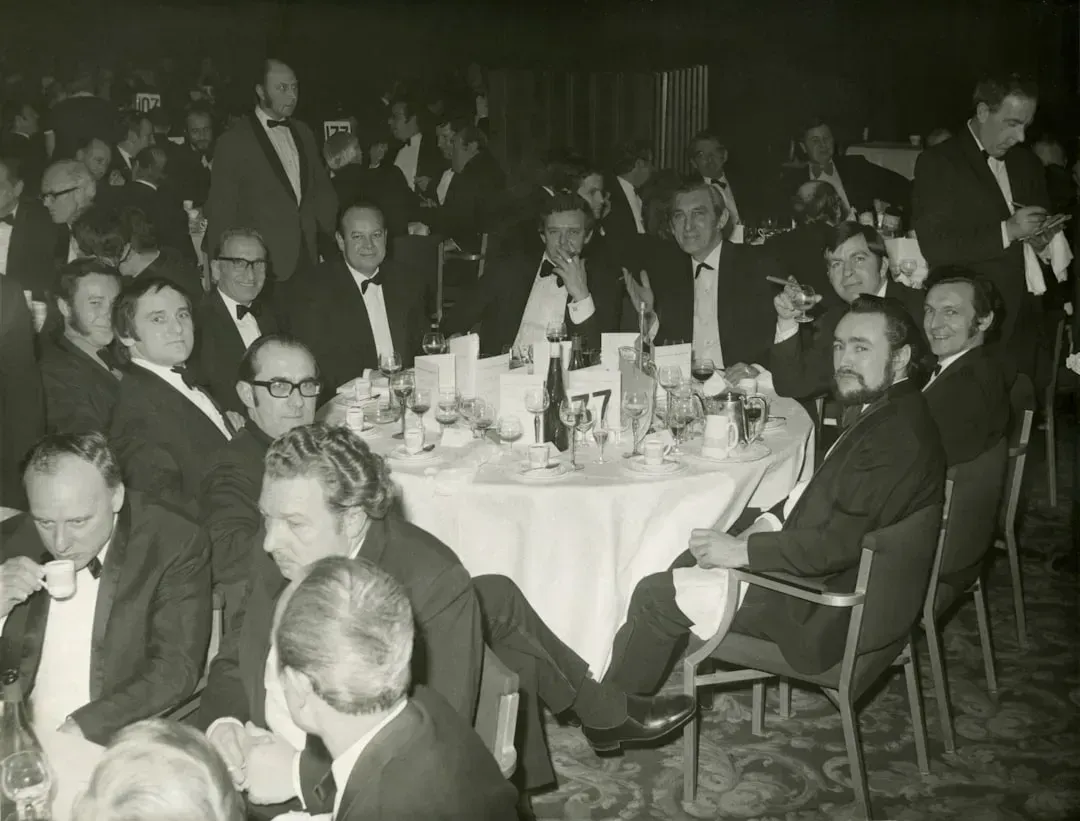
At the typical ’70s gathering, the division of labor was rarely discussed, because it was assumed. The woman of the house cooked, plated, and served. The man of the house poured drinks, made conversation, and received credit for the evening. In the 1970s, increasing numbers of young women rejected the traditional role of suburban housewife, entering the workplace instead, yet these deeply rooted domestic scripts persisted stubbornly inside the home, including at social gatherings.
Formal dinner parties were largely a product of a time when most women didn’t work and had domestic support, and by the time more relaxed meals became common, many women were working and found that shift genuinely welcome. Having a host visibly shoulder the entire burden while a partner simply socializes creates an uncomfortable dynamic that most modern guests would recognize and feel uneasy about today.
4. Serving Elaborate Aspic and Gelatin Molds as Showstoppers

Few things capture the ’70s host’s desire to impress quite like the savory gelatin mold. Aspic dishes, meat suspended in shimmering, wobbly jello, were genuine symbols of culinary ambition at the time. Aspic, a savory jello rarely found on modern dinner tables, features heavily in 1970s recipes, often with meat or vegetables suspended inside it. Hosts served these creations with genuine pride, expecting admiration from their guests.
The problem is that placing a wobbling mold of suspended shrimp or beef chunks in front of a guest today produces an effect closer to alarm than admiration. While these were dishes designed to impress, they were also sturdy structures built to withstand hours of standing, which sometimes meant suspending meat in savory jello or layering green mashed potato with boiled eggs and sliced olives. The visual shock of these dishes, intended as a compliment, now tends to put guests in the awkward position of having to fake enthusiasm.
5. Pressuring Guests to Play Group Games
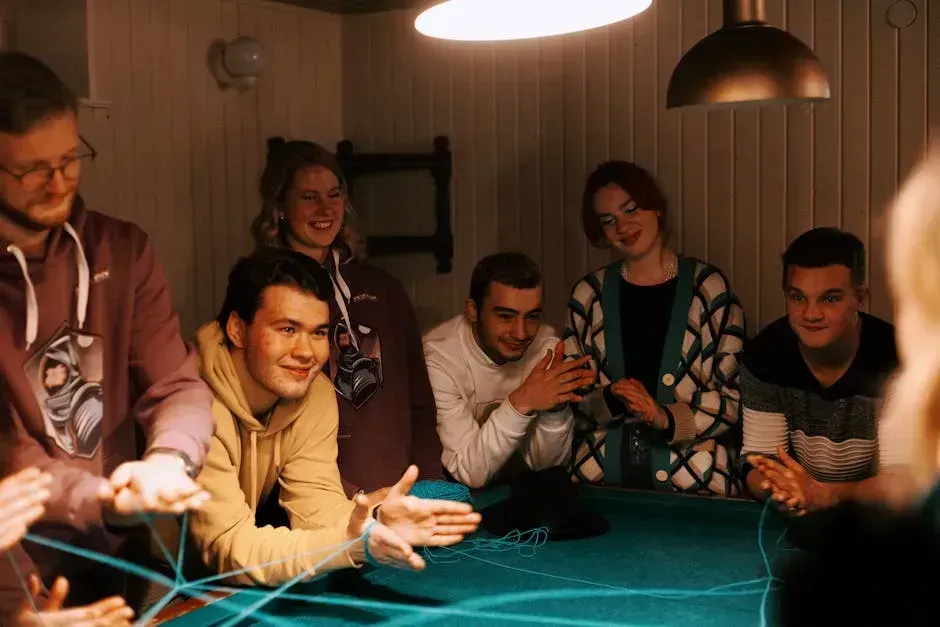
Group participation games were a common fixture of ’70s entertaining. Whether it was charades, a party quiz, or some kind of improvised icebreaker, hosts frequently engineered these activities without asking whether guests were willing participants. The assumption was that reluctance could be pushed through, and that the group’s energy would eventually sweep along even the most hesitant guest.
Putting guests on the spot for a game they’re not interested in, or having them share personal feelings out of the blue, can make them feel pressured and uncomfortable. Not everyone at a party is comfortable with games, and the better approach is to allow guests to determine their own comfort level rather than assuming participation. The forced jolliness of a ’70s party game, where opting out felt socially costly, is exactly the kind of pressure modern guests find deeply unwelcoming.
6. Offering Cocktails as the Default Before Checking Preferences

The classic ’70s hosting ritual began with a drink thrust into your hand the moment you walked through the door. Cocktail parties in that era centered entirely on cocktails as the default drink, with wine generally reserved for dining. The host pressing a Harvey Wallbanger or a whiskey sour on a guest without asking wasn’t seen as presumptuous. It was seen as gracious.
Today, sobriety, recovery, pregnancy, medication, and personal choice mean that a meaningful portion of guests at any gathering may not drink alcohol. Handing someone a cocktail without asking first puts them in the uncomfortable position of either explaining a private matter or quietly accepting a drink they don’t want. The ’70s instinct, well-intentioned as it was, bypassed consent in a way that feels noticeably tone-deaf now.
7. Seating Guests Without Asking or Considering Dynamics
Assigned seating was a cornerstone of ’70s dinner party structure. The host decided where everyone sat, often using rigid rules around gender alternation or social hierarchy, without any consideration of whether guests actually wanted to sit next to the person chosen for them. Arriving at a formally set table and being directed to a specific chair was simply how things worked.
A host’s job is to come up with a seating arrangement well suited to all guests, because many guests feel awkward if they approach a dinner table and don’t know where to sit, and poor arrangements can make for an uncomfortable experience. The old system compounded this by making the seating feel non-negotiable, leaving guests trapped next to someone difficult for an entire multi-course meal with no graceful exit.
8. Turning One Guest’s Dish or Contribution Into a Public Spectacle
When a guest brought something to a ’70s gathering, it was common practice for the host to make a theatrical show of presenting it, naming the contributor aloud, and inviting everyone’s attention. The intent was warm acknowledgment, a public thank-you. The result, as social dynamics go, was often more complicated than intended.
Gushing about a dish someone brought can unintentionally make others feel like their contribution wasn’t as valued, or even make the spotlighted guest uncomfortable. A more considered approach is to thank everyone equally and keep the focus on how nice it is that everyone contributed. Singling someone out in front of a group, even positively, creates a kind of social pressure that leaves the spotlighted person unsure how to respond gracefully.
9. Constant Hovering and Compulsive Refilling
Attentive hosting in the ’70s often meant being perpetually present. Hosts would refill glasses without being asked, clear plates before everyone was finished, and check in so frequently that guests could barely complete a sentence. This relentless attentiveness was a point of pride, a visible demonstration that no need would go unmet.
Guests don’t want a host ceaselessly checking up on them or refilling their glasses, any more than they’d want a restaurant server to do the same. The constant interruption fractures conversation, creates a subtle performance pressure for guests, and makes the gathering feel more like a service transaction than a relaxed evening among equals. The ’70s host who never sat down was, in a way, subtly reminding everyone they were being hosted.
10. Ignoring Guests Seated Farther Away at Long Tables
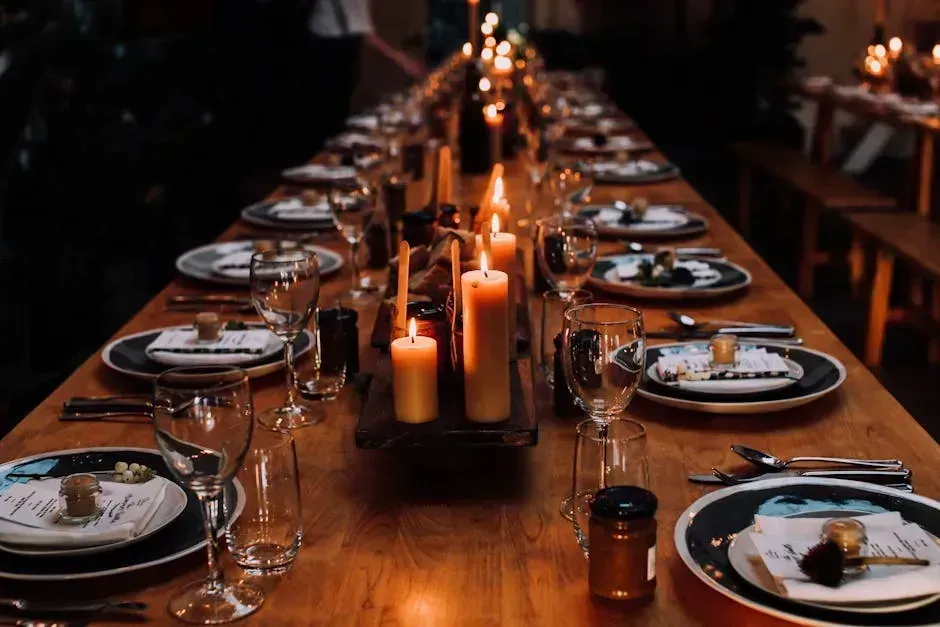
The ’70s dinner party ideal often featured a long, fully laid table with the host anchored at one end, holding court. The conversation naturally flowed around whoever was nearest to the host, and guests seated in the middle or at the far end could find themselves marooned in near-silence while the lively end of the table carried on without them. This wasn’t considered rude, just unavoidable geometry.
When hosting a dinner, it’s a host’s responsibility to ensure all guests feel included in conversation, and falling into the habit of getting wrapped up in one’s own side of the table can leave guests seated farther away feeling forgotten. If part of the dinner party looks bored or quiet, a thoughtful host will ask them a question specifically to draw them back into the conversation. The passive assumption that guests would simply manage their own experience was common in the ’70s and is now recognized as a genuine hosting failure.
11. Apologizing Excessively for the Home to the Point of Discomfort
There was a curious ’70s hosting habit of preemptively criticizing the home before guests had even formed an opinion of it. Hosts would open the door and immediately begin listing perceived shortcomings, the wallpaper they meant to change, the kitchen that felt too small, the living room furniture that was overdue for replacement. It was a form of false modesty that was socially expected.
Guests are not noticing as much as a host might think, and when a host apologizes for their home or decor, it can put guests in an uncomfortable position and make them feel like they have to provide reassurance, creating awkward tension. No one is paying attention to mismatched glassware or scratches on the furniture, and guests are there for the company, not the home. The reflexive self-deprecation that once seemed charmingly humble now registers as a social tax levied on guests the moment they arrive, forcing them into a script they never agreed to perform.
What connects these eleven habits is less malice than a mismatch between intention and effect. The ’70s host was, by and large, genuinely trying. The era simply hadn’t yet developed the vocabulary, or the awareness, for what guests actually needed to feel at ease. Comfort, it turns out, isn’t just about food and furniture. It’s about being seen, asked, and allowed to choose. That shift is one the best modern hosts have quietly internalized, often without realizing they were correcting an old mistake.