
Every generation grows up thinking its normal is the only normal. For Gen X, that meant a childhood of smoking-filled station wagons, unsupervised hours roaming the neighborhood until the streetlights came on, and a total lack of seatbelt enforcement. It was a world that felt entirely reasonable at the time, largely because no one had a smartphone to document the chaos or an algorithm to reflect it back.
The contrast with Gen Z, born between 1997 and 2012, couldn’t be sharper. As digital natives who have never known a world without the internet, their lifestyles, preferences, and behaviors are distinct from previous generations. So when they look back at the habits Gen X grew up with, the reaction is often something between disbelief and genuine alarm. Here’s a tour through the past that might make a younger generation cringe.
Breathing Secondhand Smoke as a Daily Fact of Life

Public spaces were permeated with a persistent haze: airplanes featured designated smoking sections until domestic bans began in the late 1980s, movie theaters allowed smoking, malls permitted it indoors, and families routinely smoked in cars with windows barely cracked. For Gen X kids, that was simply the atmosphere, literally and figuratively.
In the late 1980s, secondhand smoke exposure affected approximately 88% of U.S. nonsmokers, including vast numbers of children. Secondhand smoke causes premature death and disease in children and nonsmoking adults, and each year exposure causes more than 7,300 lung cancer deaths and nearly 34,000 heart disease deaths among nonsmoking adults. Gen Z, raised in smoke-free restaurants and public spaces, would find that hazy past barely imaginable.
Riding in Cars Without Seatbelts or Car Seats
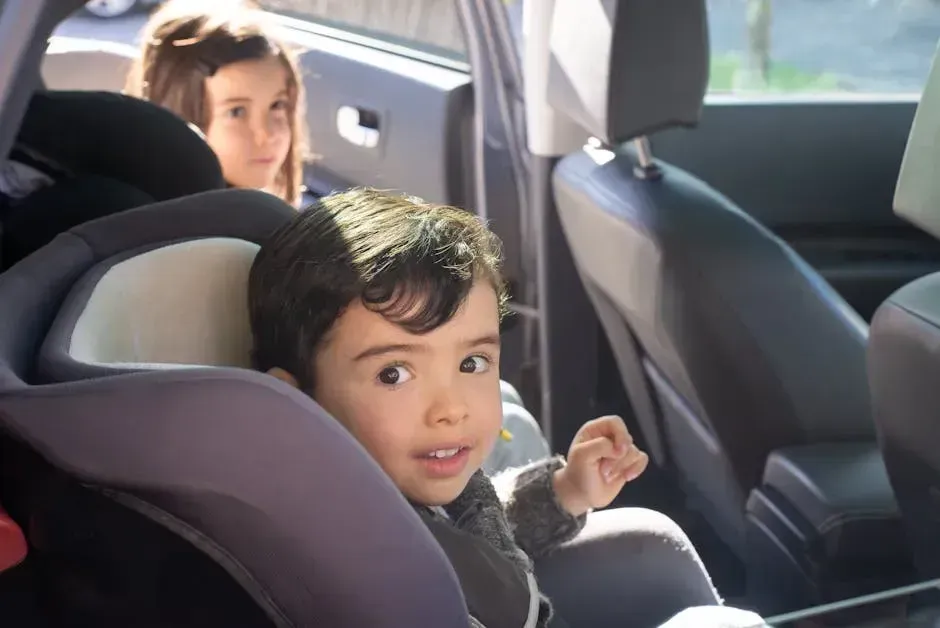
In the 1970s and 1980s, people didn’t strictly enforce seatbelt use, and car seat usage was either minimal or nonexistent. Children rode in the backseat without restraints, sometimes even lying in the rear window area. Some even sat on their parents’ laps in the front seat. Road trips looked genuinely different back then.
It was totally normal to ride in the bed of a pickup truck or sit in those collapsible seats in the trunk of a car, facing backwards, so kids could make faces at the drivers behind them. Research has shown that properly installed child restraints can reduce mortality rates among child passengers by up to 70%. The fact that an entire generation survived this era is, in retrospect, remarkable.
Spending All Day Outside With Zero Adult Supervision

Parents left Gen X kids to their own devices outdoors, exploring neighborhoods, climbing trees, and inventing games without adult oversight. This freedom fostered independence and problem-solving skills as children navigated social interactions and minor risks on their own. They learned how to settle disputes, test limits, and entertain themselves without structured activities.
Without cell phones or the internet, children had no contact when away from home. Parents trusted them to return by a certain time and relied on established rules rather than constant communication. Their location wasn’t tracked, and check-in texts weren’t sent. Gen Xers learned time management and responsibility because they had no other choice. According to Vox, unstructured playtime for children has decreased by roughly a quarter since the 1980s.
Slathering on Baby Oil and Baking in the Sun

In a survey of 1,000 millennials and 1,000 Gen Xers, 75% said that while they are mindful of their sun exposure, only 19% wear sunscreen all year, 35% used a tanning bed, and nearly half regretted how long they stayed out in the sun when they were younger. Tanning was not a risk to be managed. It was an aspiration, a sign of a good summer.
The Skin Cancer Foundation reports that having five or more sunburns doubles your risk for melanoma, making the oil-baking habit terrifying. Having five or more sunburns in life doubles your risk for melanoma, and when detected early, the five-year survival rate for melanoma is 99%, underscoring the importance of early skin checks. Gen Z, raised with SPF-infused skincare routines, tends to find the whole baby-oil-on-the-beach ritual genuinely baffling.
Hitchhiking as a Normal Mode of Transport

Sticking your thumb out on the side of the highway to catch a ride from a stranger was a legitimate way of transit. It was seen as an adventurous and cheap way to get around rather than a death wish. College students hitchhiked across states. Teenagers did it to get to the mall.
Teenagers and even pre-teens would hitchhike to get to school, the mall, or friends’ houses. Parents knew about this practice and often approved it as a way to foster independence. Stranger danger wasn’t yet a widespread concern. Today the practice is viewed as reckless at best and dangerous at worst, with Gen Z growing up in an era where every movement can be tracked and verified digitally.
Ignoring Bike Helmets Entirely
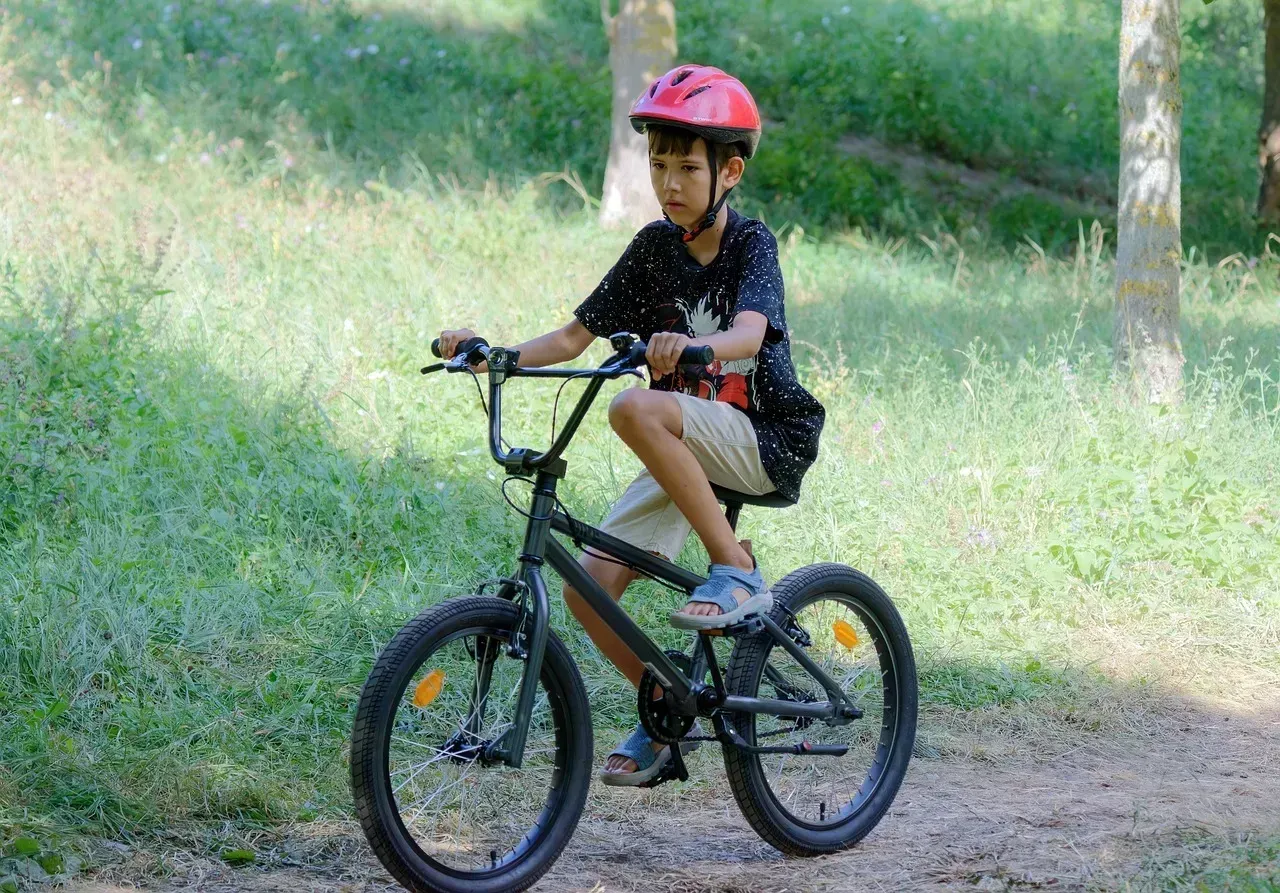
In the childhoods of Baby Boomers and Gen Xers, bicycle helmets were a rarity. Surveys from the mid-to-late 1980s revealed helmet usage among children under 15 at a mere 2 to 3% according to U.S. Consumer Product Safety Commission studies. Wearing one would have made you an object of mockery in most neighborhoods.
Riders freely pedaled bikes or launched off ramps on BMX models, unencumbered and unprotected, perpetually one mishap away from serious injury. By the Millennial era and beyond, helmet use became a standard expectation, particularly for children, bolstered by education campaigns and the advent of child-specific helmet laws starting in the late 1980s and early 1990s. For Gen Z, a helmet isn’t an embarrassing accessory. It’s just what you wear.
Casual Workplace Hazing and “Earning Your Stripes”

Starting a new job often meant enduring a period of pranks and harsh treatment, framed as a way to earn your stripes. Senior employees would deliberately make life difficult for newcomers to test their resilience and commitment. This was considered character-building, a rite of professional passage.
Today, this behavior is identified as harassment and creates a hostile work environment that Gen Z refuses to tolerate. A survey by the Workplace Bullying Institute indicates that roughly three in ten workers have direct experience with bullying, which is now actionable by HR. Respect is expected from day one. Gen Z entered the workforce with a clear framework for boundaries and a much lower tolerance for the idea that suffering builds character.
Normalized Offensive Humor in Media and Daily Life
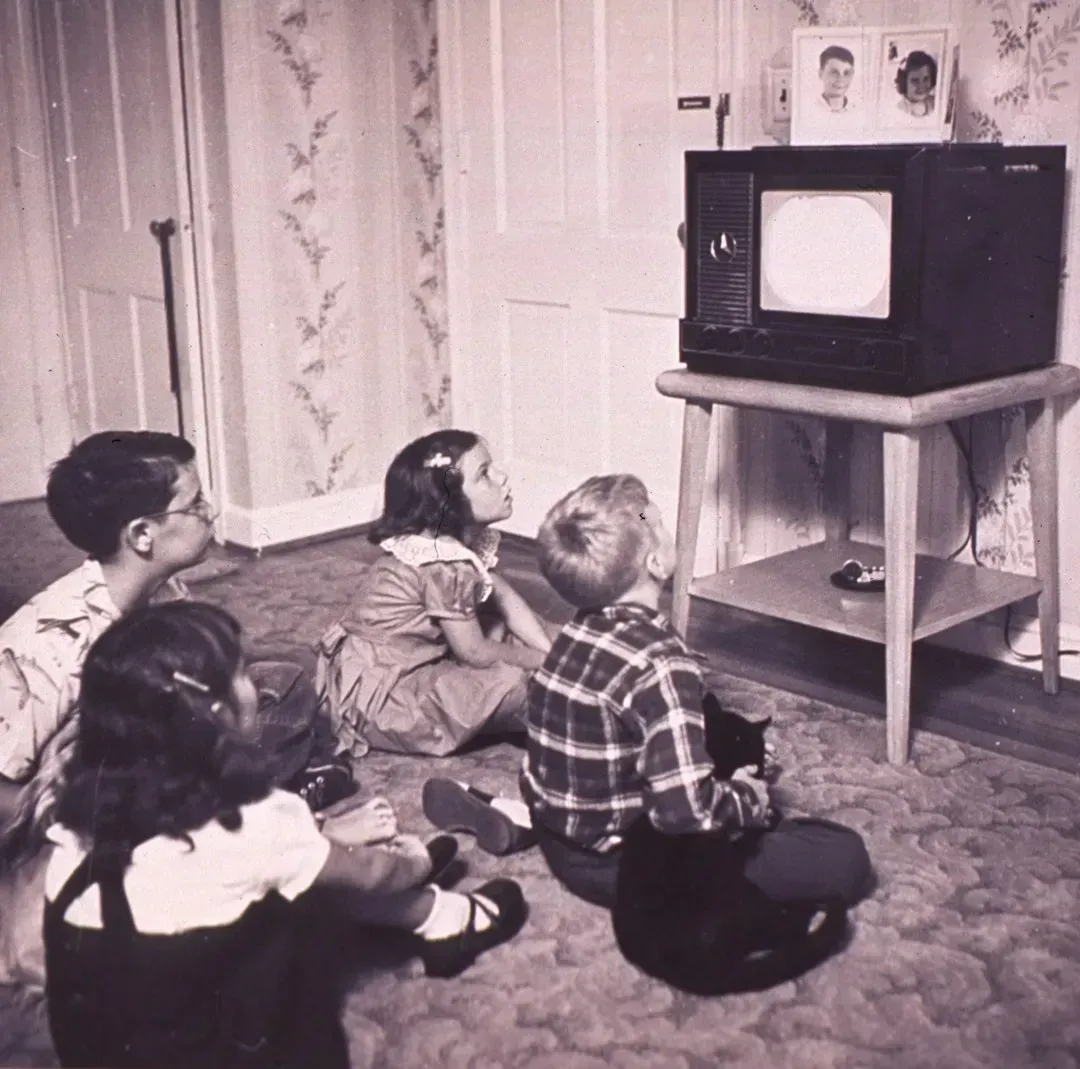
Comedy routines and sitcoms from the Gen X era were rife with punchlines that relied on homophobia, sexism, and racial stereotypes. Using derogatory slurs as casual slang was normalized in schoolyards and workplaces without fear of repercussion. Looking back at prime-time television from the 1980s and early 1990s can feel genuinely jarring by today’s standards.
Gen Z has drawn a hard line in the sand regarding language that dehumanizes or mocks marginalized groups. Younger generations have a lower threshold for intolerance regarding hate speech disguised as humor. What was once a joke is now a career-ender. This is a shift that goes well beyond social media pressure. It reflects a deeper change in how an entire generation understands dignity and inclusion.
Romanticizing Persistence to the Point of Boundary Violation

Movies and songs from the Gen X era often romanticized persistence to the point of what we would now legally define as stalking. Standing outside a window with a boombox or showing up at a workplace uninvited were seen as grand gestures of love. Gen Z recognizes these behaviors as massive red flags that signal a lack of boundaries rather than true affection.
Pop culture from the 1980s and early 1990s is full of storylines that cast relentless pursuit as romantic and admirable. The music, the films, the sitcom plots all told a generation that “no” was just the opening move. Gen Z, shaped by more explicit conversations around consent, reads those same storylines as cautionary tales rather than love stories. The difference in interpretation isn’t subtle. It’s fundamental.
Using the Whole Outdoors as a Free-Range Playground With No Safety Rules

Playgrounds in earlier decades were built for excitement, not impact absorption. Towering metal jungle gyms stood over concrete or packed dirt, and seesaws and merry-go-rounds operated without modern guardrails or speed controls. Falls were treated as part of growing up rather than preventable hazards. Getting a scrape meant you had a good afternoon.
Generation X, or those born between 1965 and 1980, had to deal with several issues that later generations did not have to worry about. Many Gen Xers were considered “latchkey kids,” or those who returned home from school before their parents got home from work. They also endured several recessions in childhood and young adulthood, which made them resourceful and independent. That resourcefulness was real. So was the risk. Gen Z, growing up in an era of padded climbing structures and liability-conscious playground design, inhabits a genuinely different physical world – one where childhood is treated as something to be protected rather than simply survived.