
There’s a particular kind of memory that lives in the hands, not the head. Ask someone who grew up in the 1960s about their childhood toys, and you won’t just get a name – you’ll get a full sensory recall. The smell of melting plastic. The particular sting of a hot metal mold. The hollow clack of acrylic balls right before something went very wrong. These weren’t just playthings. They were experiences, and sometimes cautionary tales.
The 1960s were a golden and decidedly chaotic era for the toy industry. Manufacturers were racing to produce novelty and spectacle, often well ahead of any serious safety thinking. Some of what landed under Christmas trees that decade would make a modern product liability lawyer faint. Yet for the kids who played with them, the memories are vivid, strangely fond, and occasionally tinged with a kind of retrospective dread.
Creepy Crawlers Thingmaker – When “Educational” Meant Burns
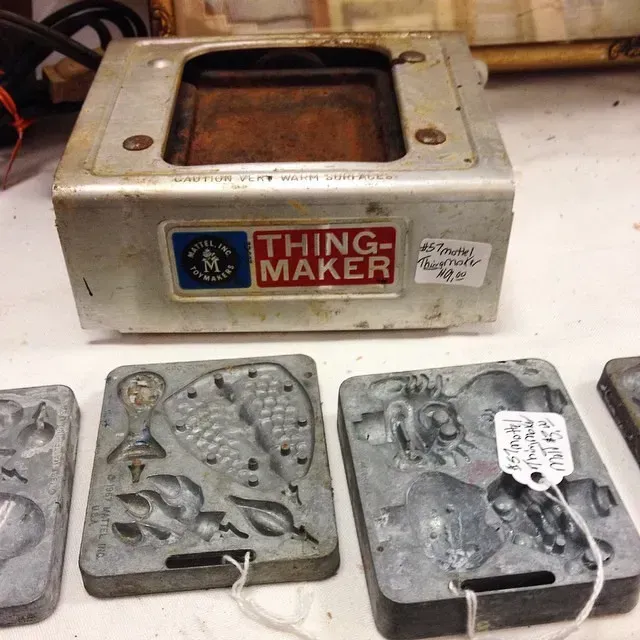
The Thingmaker, also called Creepy Crawlers, was an activity toy made by Mattel beginning in 1964. It consisted of a series of die-cast metal molds shaped like bug-like creatures, into which you poured a liquid chemical substance called “Plasti-Goop.” The mold was then heated to around 390°F in an open-face electric hot plate oven. There was no enclosure, no shielding, and definitely no buffer between curious fingers and a scalding surface.
While giving a kid an oven reaching 350 degrees was already dangerous, it was nothing compared to the chemicals they were breathing in. The gel used to make the bugs was called PlastiGoop, and it was genuinely hazardous. PlastiGoop came in a range of colors and hardened into that rubbery texture kids remember fondly. The problem was that while the chemicals cooked in the hot oven, they gave off noxious fumes that could make kids sick. Meanwhile, children were also burning themselves on the scorching metal trays used as molds. Mattel eventually discontinued the original version, though the toy was later relaunched with far safer materials.
Clackers – The Toy That Was Literally Classified as a Weapon
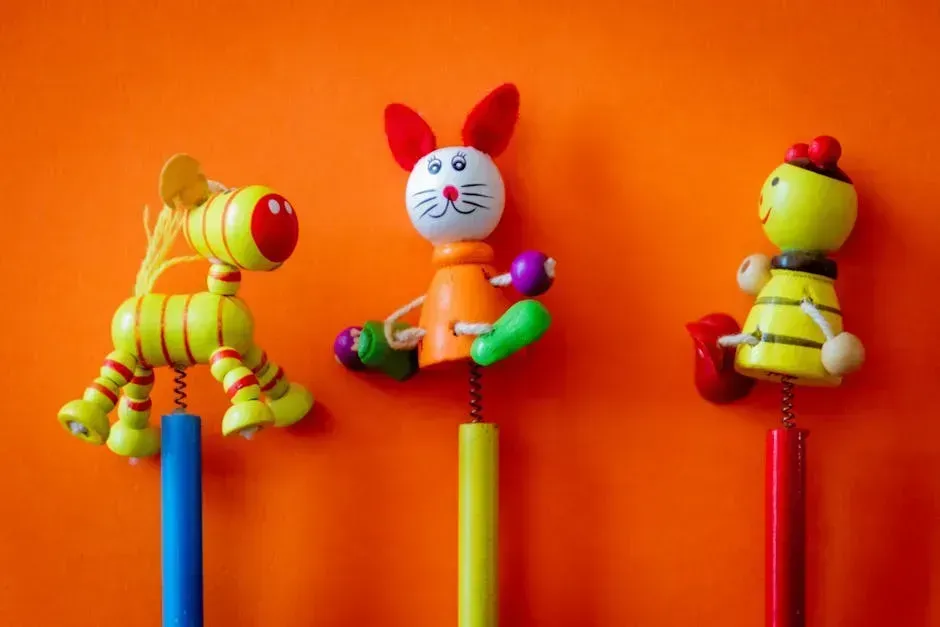
Clackers were two hard acrylic balls attached to a string that you swung up and down to make them smack together with a loud clack. The goal was to get them going fast enough to create a rhythmic, almost hypnotic sound. If you weren’t careful, the balls could shatter mid-clack, sending shards flying everywhere. That wasn’t a rare malfunction. It was a reasonably predictable outcome that thousands of kids discovered firsthand.
The balls had a reputation for easily shattering and exploding. Early versions were made of tempered glass, which could fly into people’s eyes or cut their skin. Manufacturers eventually pivoted to plastic in an effort to make them safer, but clackers often still exploded and caused injury. Those risks eventually became too obvious to ignore. In 1971, the FDA issued new safety standards that effectively got most clackers pulled from shelves. A subsequent court case classified clackers as a “mechanical hazard” and granted the government the right to seize and destroy any clacker balls in the name of public safety.
Lawn Darts (Jarts) – A Backyard Game That Punctured Skulls

Similar to horseshoes, lawn darts involved throwing a spiked metal projectile with plastic fins toward a fixed target on the ground. Unlike horseshoes, the opposing team wasn’t always standing safely behind the target. A lawn dart needed to be thrown high in an arc so it would turn over and land point-down, but the harder it was thrown, the less accurate it became. The combination of weight, speed, and a pointed metal tip made them genuinely lethal in the wrong moment.
Also known as Jarts, Lawn Darts are possibly the most famous toys ever to be banned, and justly so. They were determined to be responsible for sending over 6,000 people to the hospital, most of them children, many disabled for life. The game caused thousands of injuries and at least three known deaths in the 1970s and 1980s, and the toy was finally banned when a seven-year-old girl was tragically killed after being struck in the head.
The Gilbert U-238 Atomic Energy Lab – Uranium Under the Christmas Tree
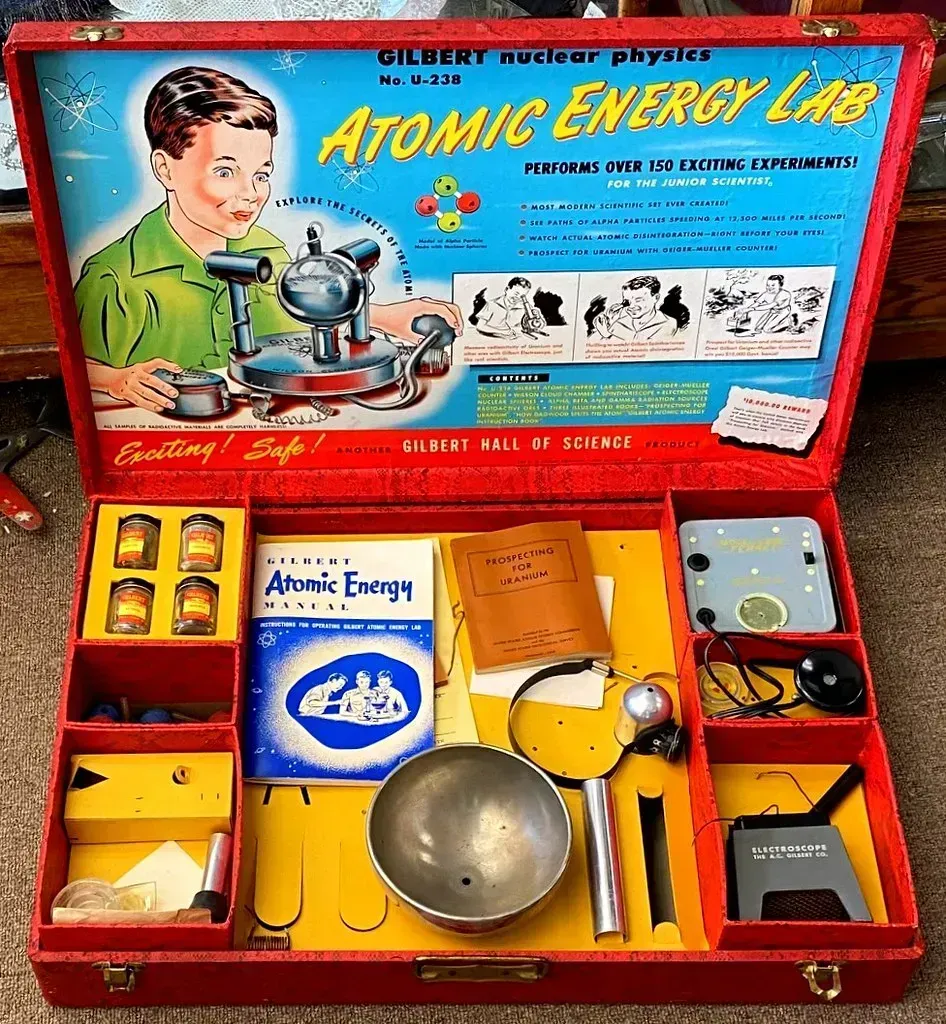
The Gilbert U-238 Atomic Energy Lab was a toy lab set designed to allow children to create and watch nuclear and chemical reactions using radioactive material. It was released by the A.C. Gilbert Company in 1950, but remained deeply connected to the postwar mindset that carried well into the early 1960s, when atomic energy still felt like a thrilling frontier rather than a public hazard. The lab contained a cloud chamber allowing the viewer to watch alpha particles traveling at 12,000 miles per second, a spinthariscope showing the results of radioactive disintegration on a fluorescent screen, and an electroscope measuring the radioactivity of different substances in the set.
The set came with four samples of uranium-bearing ores, including autunite, torbernite, uraninite, and carnotite, as well as a Geiger-Mueller radiation counter and various other tools. A 2020 review in the journal IEEE Spectrum revealed that the uranium-238 in Gilbert’s Atomic Energy Lab was about as risky as UV exposure from spending a day in the sun, provided the samples stayed in their containers. Still, it remains one of the most surreal objects in the history of toy manufacturing, and its legend grew far larger than its actual sales numbers ever justified.
The Johnny Seven OMA – Seven Weapons for One Very Lucky Kid
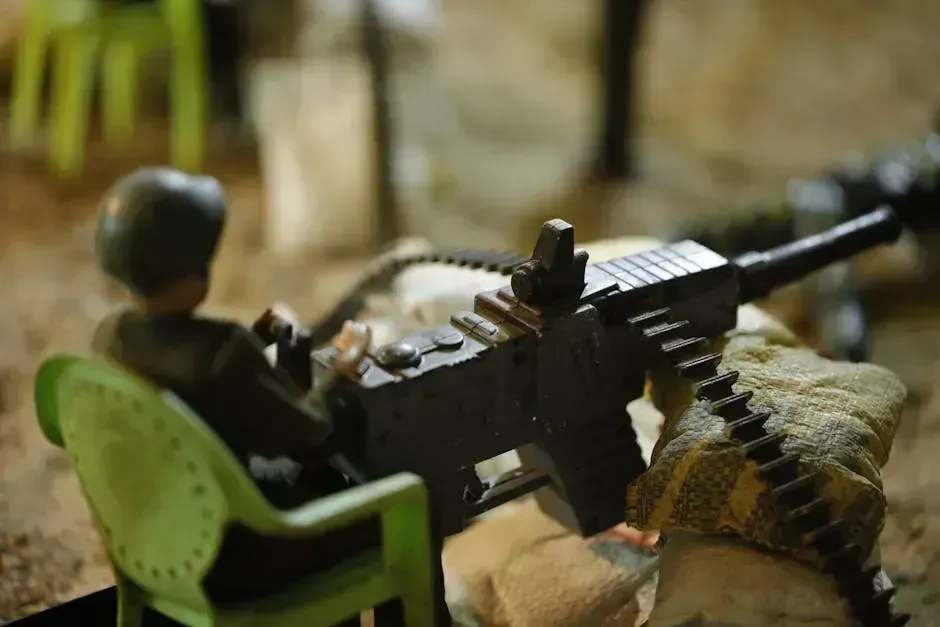
The Johnny Seven OMA, short for One Man Army, was one of the most ambitious toy weapons of the 1960s. It was an all-in-one combination of seven different weapon attachments, including a grenade launcher and a cap gun. Children loved the toy for its versatility and realistic features. The toy was heavy and cumbersome, though, and frequently led to injuries as kids swung it around in mock battles.
The small parts could easily snap off, posing choking hazards. Despite its popularity, safety concerns eventually led to its disappearance from the market. What made the Johnny Seven memorable wasn’t just its size or firepower fantasy, but the way it mirrored the military culture of the era so directly. The early 1960s were steeped in Cold War tension, and toy aisles reflected that anxiety in ways that look striking in hindsight.
Super Elastic Bubble Plastic – Blowing Toxic Fumes for Fun
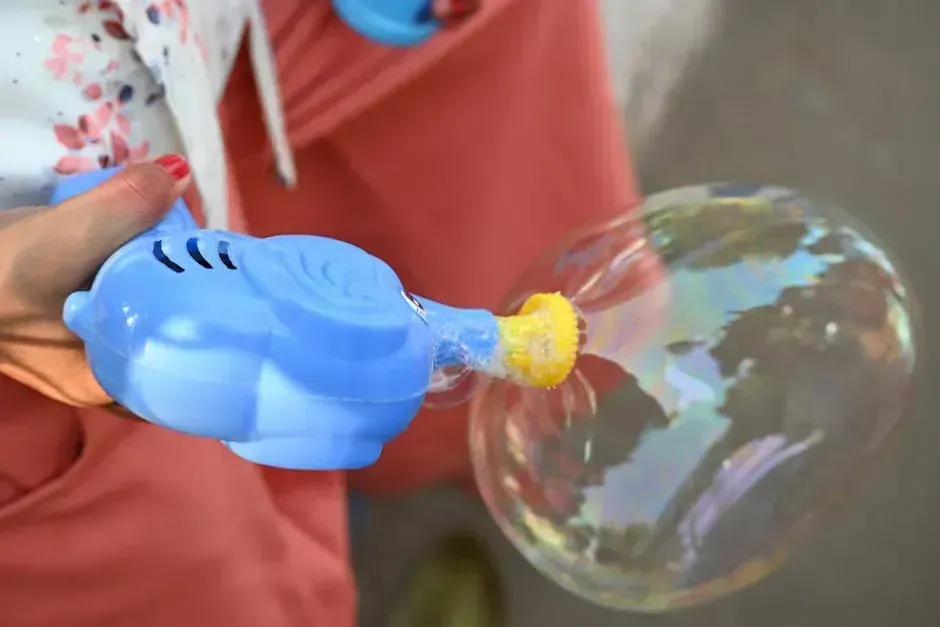
Super Elastic Bubble Plastic let kids blow plastic bubbles using a straw and a tube of colorful goop. The bubbles were fun, but the fumes from the chemicals were anything but safe. The solvent in the plastic was highly flammable and emitted toxic vapors, which kids inhaled with every bubble they blew. The experience was described by many who remember it as slightly dizzy-making in a way that, at the time, just felt like part of the fun.
Arriving in 1970, this trippy-colored goo allowed kids to blow large plastic bubbles with a provided straw, a concept somewhere between bubble gum and a chemical plant. The problem was that the goop released nasty chemical fumes, caused dizziness, headaches, and chemical burns, and was dangerously flammable. It was marketed for use by children with no particular supervision guidance, and it was eventually discontinued for safety reasons. The fact that it lasted as long as it did says quite a bit about the regulatory environment of the time.
The Easy-Bake Oven – Beloved, Harmless-Looking, and Quietly Dangerous
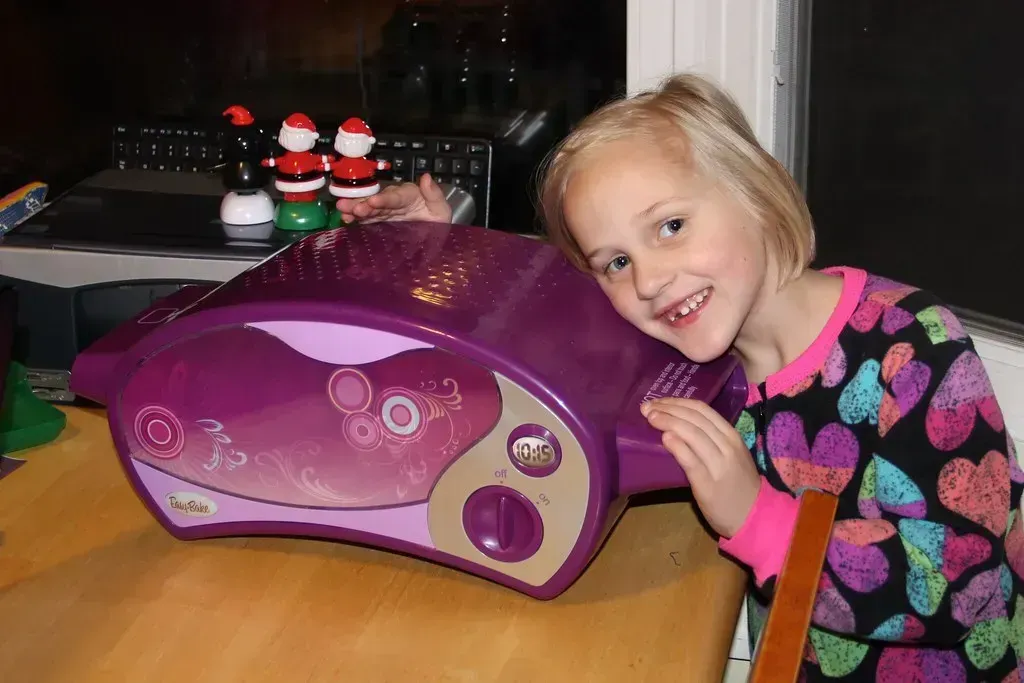
The Easy-Bake Oven, first introduced by Kenner in the 1960s and widely popular through the 1970s, allowed children to bake small treats using a light bulb as a heat source. While it seemed harmless compared to conventional ovens, early versions lacked the protective features expected today. Open slots, metal interiors, and poorly insulated surfaces meant children could easily touch hot components. Reports of burns and trapped fingers became more common as usage grew, particularly when kids tried to retrieve food before it had cooled.
In February 2007, Hasbro and the Consumer Product Safety Commission recalled 985,000 Easy-Bake toy ovens after finding that children’s hands and fingers could get caught in the oven’s opening. Following the recall, there were at least 249 reports of children getting their hands or fingers caught in the ovens, including 16 reports of second- and third-degree burns, and partial finger amputation. That was after a redesign, which gives a fair sense of how dangerous the original versions had been.
The Kenner Give-A-Show Projector – The Innocent One That Got Forgotten Anyway
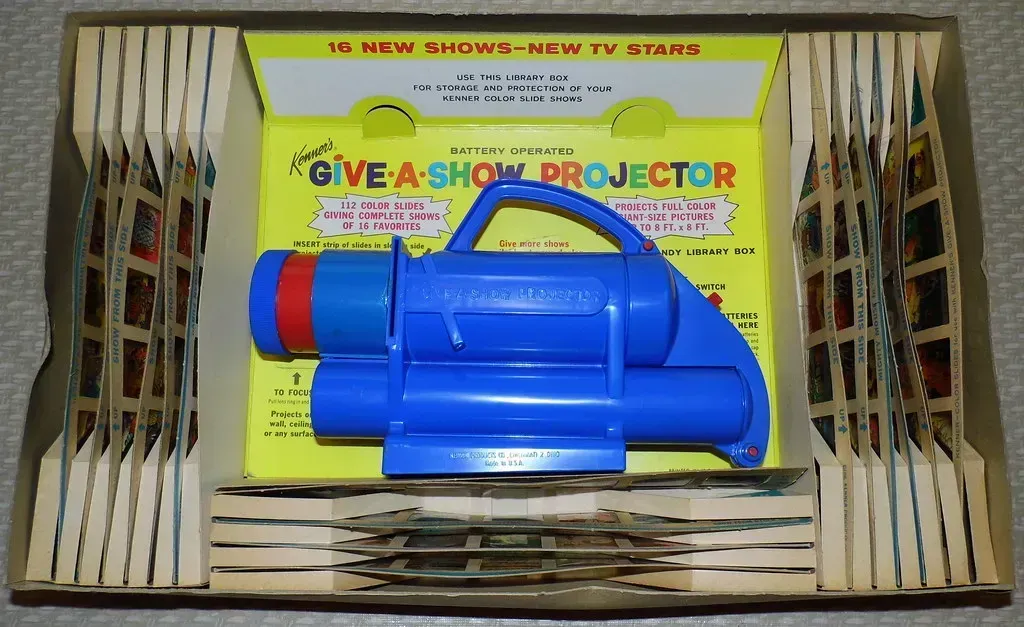
The Give-A-Show Projector was first introduced in 1960 and quickly became a fixture in Kenner’s toy line for over 20 years. It wasn’t dangerous. It didn’t cause burns or hospitalizations. It was simply a hand-held projector that let kids shine cartoon slides onto their bedroom walls, featuring characters from popular TV shows of the era. In a time before home video, the idea of projecting your favorite characters onto any surface felt genuinely magical.
What makes it forgotten is precisely its innocence. It didn’t generate lawsuits or regulatory battles. It just quietly faded as television screens grew bigger and more accessible, leaving behind a small, nostalgic object that most ’60s kids remember only when someone mentions it. For those who had one, the Give-A-Show Projector was always a joy on cold, dark nights, and kids would even crawl under blankets during the daytime to project onto the side of a cardboard box. There’s something quietly poignant about a toy whose only flaw was being too gentle for a rough decade.
The Water Wiggle – Summer Fun That Could Strangle You

The Water Wiggle was a hose attachment with a plastic head that flailed wildly when the water was turned on. It seemed like harmless summer fun, but the force of the water could make the toy whip around uncontrollably. Worse, the metal nozzle inside could detach and cause injuries, and in some tragic cases, children were strangled when the toy wrapped around their necks. It was eventually recalled after multiple incidents.
In 1978, a four-year-old boy drowned after the nozzle became lodged in his mouth, and a similar death had occurred in 1975. Following these events, the Consumer Product Safety Commission and Wham-O recalled approximately 2.5 million units. The Water Wiggle is the kind of toy whose name sounds almost whimsical until you learn its history, which is a fitting summary of the entire era’s approach to childhood play.
What These Toys Tell Us Now
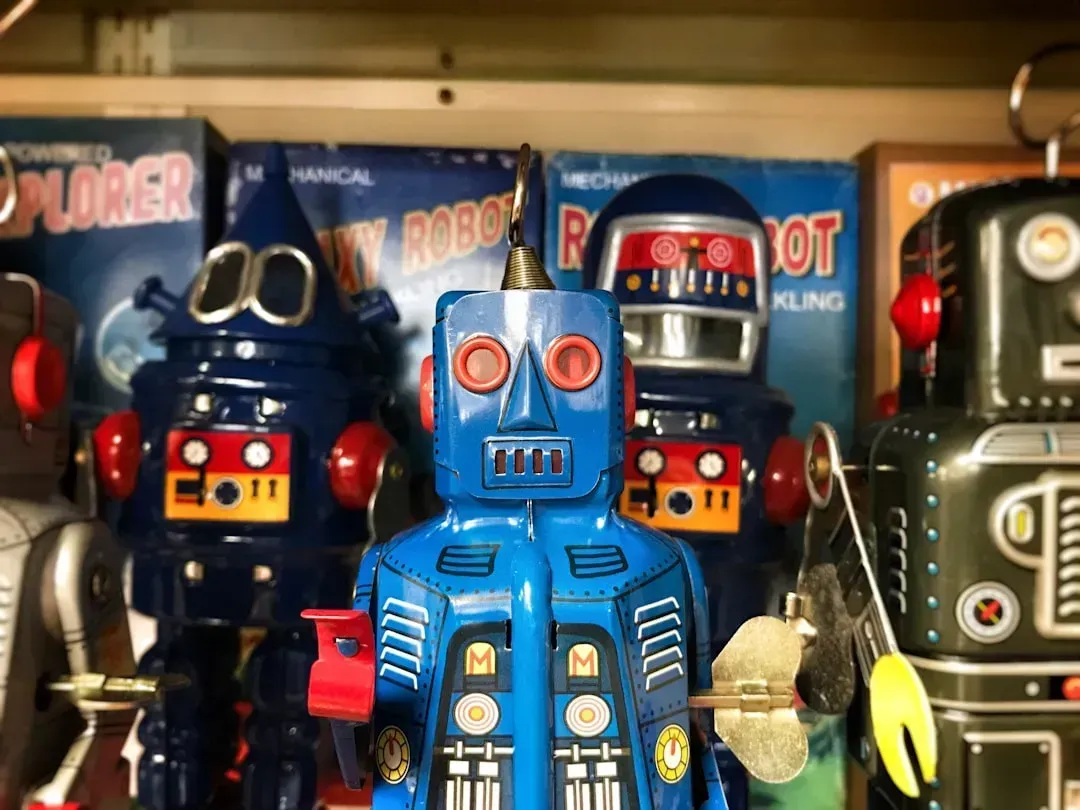
Looking back at this collection of playthings, a consistent picture emerges. Many of the toys popular in that era were made before today’s strict safety standards existed. Manufacturers weren’t required to conduct the same level of product testing or provide adequate warnings about potential hazards. As a result, countless toys contained sharp parts, small choking hazards, flammable materials, or unsafe mechanical features.
The nostalgia for these toys is real, though it tends to smooth over the harder edges of what actually happened. Kids who grew up with Clackers, Thingmakers, and Jarts didn’t just develop character – they navigated genuine physical risk as a matter of daily childhood routine. Looking at these discontinued toys provides perspective on how toy safety has evolved across the decades. The strange products of yesterday helped shape today’s rigorous testing standards and consumer protections. The haunting part isn’t that these toys existed. It’s how normal they once seemed.